By Khem “Babu” Khadaka, founder, driving these roads since 1996 · Last updated: 2027 season (October 2026 – June 2027)
Is India safe for tourists? It is the question we hear most often before people book, usually asked carefully and a little nervously, in the very first WhatsApp message.
You have probably read two kinds of answers online. One says India is chaotic and dangerous. The other says everything is perfect and you are worrying for nothing. Neither is true, and neither helps you plan.
We are a family-run car-and-driver business in Delhi. We have been driving travellers around north India and Nepal since 1996, first as The Pearls of India and now as GoIndiaNepal. Over the years many of our guests have been first-time visitors, and many have been women travelling alone. This guide is what we tell them: what really goes wrong, what almost never happens, and the simple habits that keep a trip calm.
The short answer
Yes, India is safe for most tourists who travel with normal care. Millions of foreign visitors come every year and go home with good stories. Serious crime against tourists is rare. The problems you are most likely to meet are small ones: overcharging, scams, stomach upsets, heat and unwanted attention. The most serious risk, which most safety guides forget, is the roads. Plan for those things and India becomes one of the most rewarding countries you will ever visit.
India is a huge country of more than 1.4 billion people. “Is India safe?” is a bit like asking “Is Europe safe?” The answer depends on where you go, how you move around and what you do after dark.
So, is India safe for tourists on a classic first trip? On the routes most of our guests take, the honest answer is reassuring:
What makes India feel unsafe to first-timers is usually not danger. It is noise, crowds, heavy traffic, people approaching you, and not knowing what a fair price is. That feeling is real, but it is different from real risk. Once you understand the difference, most of the stress goes away.
When people ask us whether India is safe for tourists, this is our honest ranking, based on 30 years of watching what actually happens to travellers, not what makes headlines.
| Risk | How likely | How serious | Best protection |
|---|---|---|---|
| Overcharging and small scams | Very likely | Low (costs money, not safety) | Know fair prices, agree prices first, ignore touts |
| Stomach upset (“Delhi belly”) | Likely | Low to medium | Bottled or filtered water, busy fresh food, hand hygiene |
| Heat, dehydration and winter smog | Depends on season | Medium | Travel October to March, rest at midday, check air quality |
| Staring, selfie requests, unwanted attention (women) | Likely in crowds | Low to medium | Modest dress, firm “no”, stay near families and staff |
| Pickpocketing in crowds and trains | Possible | Low to medium | Front pocket or cross-body bag, money split in two places |
| Road accidents | Low per trip | High | Experienced driver, seatbelts, no night highway driving |
| Violent crime against tourists | Rare | High | Normal city sense, no late walks alone in empty areas |
Notice what sits at the top: things that cost you money or comfort. Notice what sits at the bottom: the frightening things people imagine, which are rare. The one that matters most for your safety, road travel, is also the one you can control most easily.
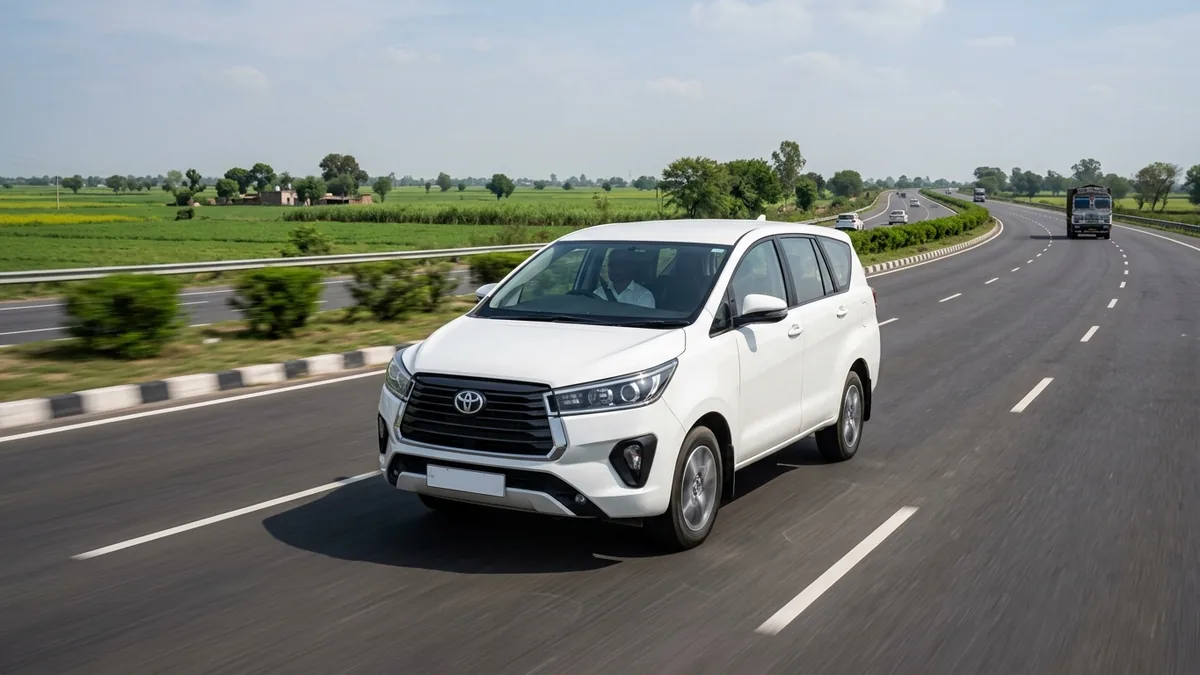
If you ask what really decides whether India is safe for tourists, our answer is the roads. This is the part we care about most, because it is our job.
India has one of the highest numbers of road deaths in the world. Government figures show well over 150,000 deaths a year. For a traveller, the main dangers are night driving on highways, tired drivers, overtaking on two-lane roads, unlit trucks and animals, and cheap cars without working rear seatbelts.
The good news is that almost all of this risk comes from a few choices you can control:
Mountain roads need extra respect. Roads to Manali, Shimla, Dharamshala and the Char Dham have sharp bends, landslides in the monsoon (July to September) and snow in winter. This is where a local hill driver makes a huge difference.
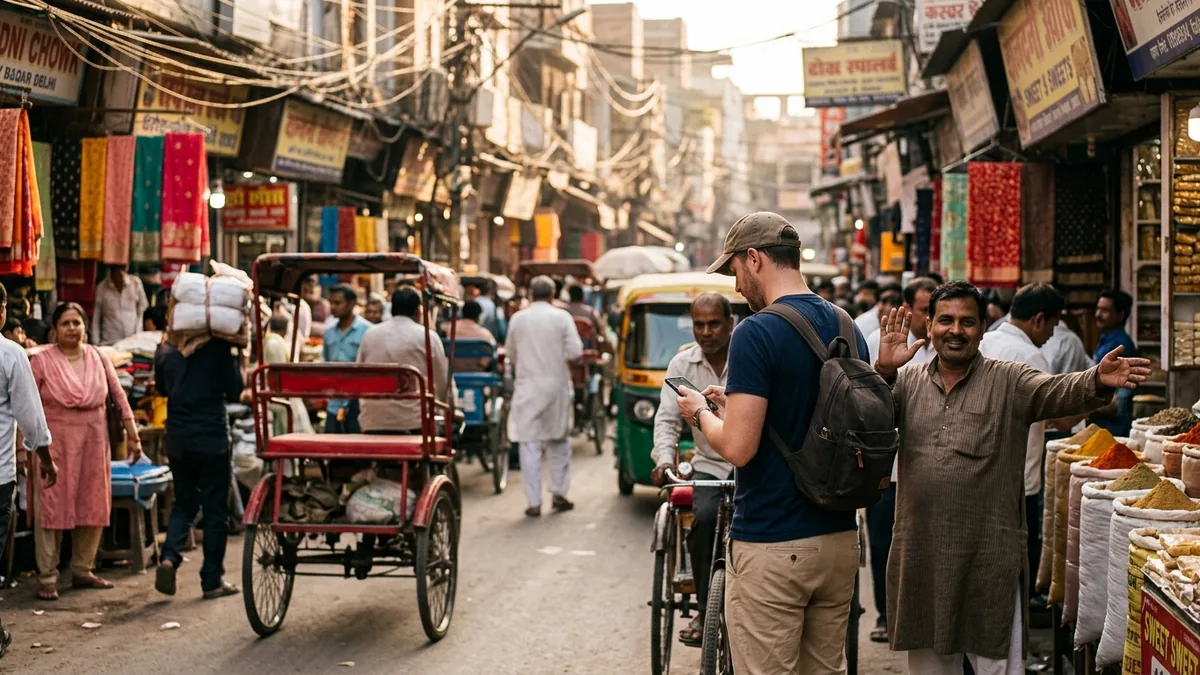
Scams are the thing you are most likely to meet, and a big reason people ask whether India is safe for tourists. They are rarely dangerous, but they can spoil a day and cost money. Almost all of them start the same way: a friendly stranger approaches you first and tells you that your plan will not work.
Here are the ones we see again and again:
The golden rule: in India, real help does not chase you down the street. Trusted information comes from your hotel, your tour company, official websites and official counters.
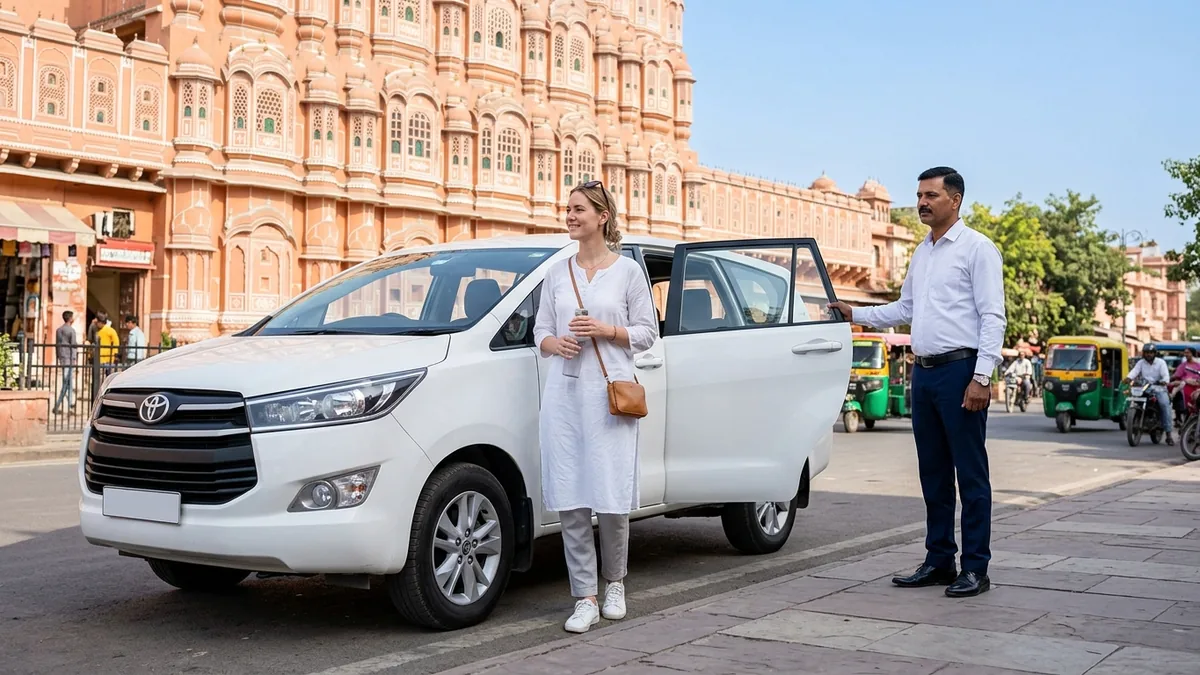
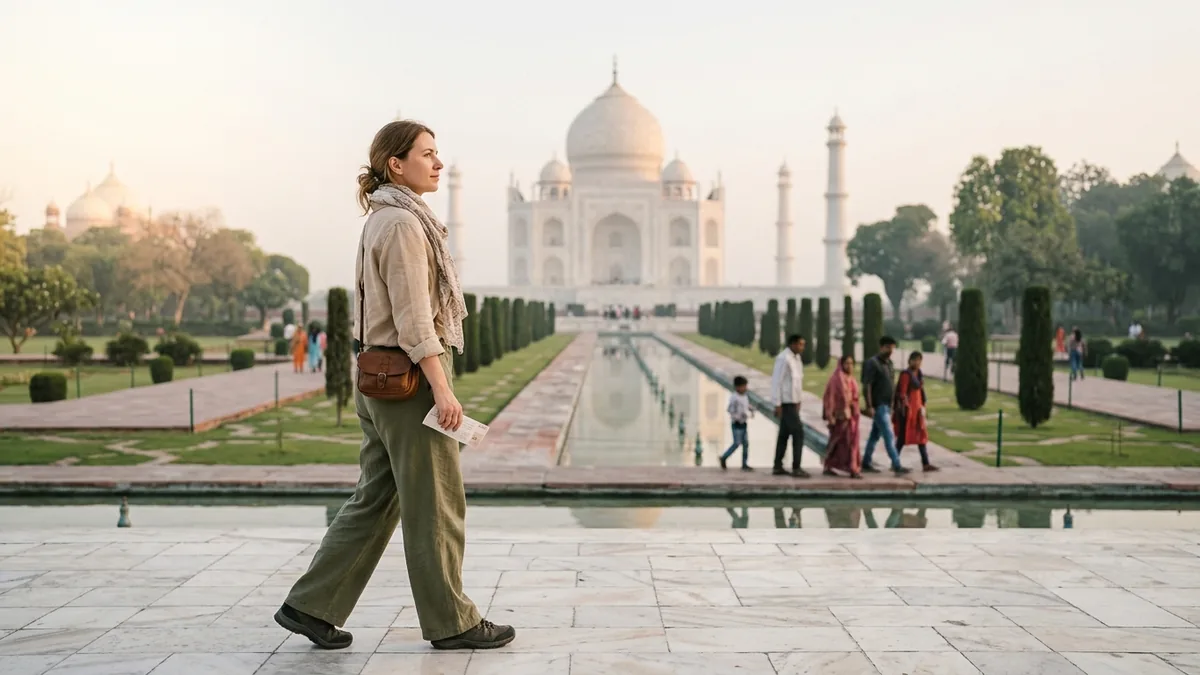
This is the question behind many first messages we receive. Our honest answer: many women travel through India alone every year and have a wonderful time, and many of them do experience attention that would not happen at home. Both of those things are true, and it is better to know that before you come.
What most solo women will meet:
What helps, in our experience:
A private car and driver changes the solo experience a lot. You are not standing at bus stations at night, negotiating with strangers or carrying luggage through crowds. You have one known person who checks you in at the hotel, waits outside the monument and knows where you are. For many solo travellers, that is the difference between a stressful trip and a relaxed one.
| Place | How it feels | Main thing to watch |
|---|---|---|
| Delhi | Huge, busy, mostly safe in tourist areas | Touts near New Delhi station and Paharganj, taxi overcharging, winter smog |
| Agra | Busy around the Taj, quieter elsewhere | Unofficial guides, commission shops, closed on Fridays (Taj) |
| Jaipur | Friendly, very touristic | Gem scams, shopping stops, crowded bazaars |
| Udaipur, Jodhpur, Jaisalmer | Relaxed and welcoming | Small overcharging, desert heat from April |
| Varanasi | Intense, crowded, spiritual | Narrow lanes after dark, boat price haggling, pickpockets at the aarti |
| Amritsar | Warm and very safe around the Golden Temple | Crowds at Wagah border ceremony |
| Rishikesh and Haridwar | Calm, popular with solo travellers | Strong river currents, crowds on festival days |
| Shimla, Manali, Dharamshala | Peaceful hill towns | Mountain roads, landslides in monsoon, snow and altitude near Rohtang |
When people ask if India is safe for tourists, they rarely think about health. Yet for most travellers, health is a bigger day-to-day concern than crime. These simple habits prevent most problems:
Always ask your own doctor or travel clinic for advice on vaccines and medicines before you travel.
How you move around shapes how safe and how relaxed you feel more than anything else.
| Option | Safety | Comfort | Good for |
|---|---|---|---|
| Private car and driver | High (with a good company) | High | Multi-city trips, families, solo women, first-timers |
| App taxis (Uber, Ola) | Good, with tracked rides | Medium | Short rides inside big cities |
| Prepaid airport taxi | Good | Medium | Airport to hotel if no pickup is booked |
| Trains (AC classes) | Good | Medium | Long routes, with care for bags |
| Auto-rickshaws | Fine for short trips | Low | Short city rides, price agreed first |
| Long-distance buses | Lower, especially overnight | Low | Budget travel only |
| Self-drive | Low for visitors | Low | We do not recommend it |
If you are thinking about a private driver, our honest guide to car and driver cost in India explains what a fair price is and what should be included.
We are a driver company, so of course we believe in this. But here is the honest reasoning, so you can judge for yourself.
What a driver is not: he is not a licensed monument guide, and he is not a bodyguard. He is an experienced, trusted local who gets you safely from place to place and looks out for you along the way.
Our family has run private car tours since 1996. Our guests rate us 5.0 on Tripadvisor (30 reviews) and 5.0 on Google (14 reviews). If you want to see how a trip works, start with our Same Day Taj Mahal Tour from Delhi (from $113) or the 4-Day Golden Triangle Tour (from $356), or read how private car and driver hire in India works.
Many of our guests combine India and Nepal. In our experience, Nepal feels calmer and gentler than India for most visitors. Crime against tourists is low, people are famously friendly, and touts are far less pushy.
The real risks in Nepal are mostly about nature:
If you are planning a combined trip, see our guide to the India and Nepal tour by road, including the border crossing.
Before you go
When you arrive
Every day
| Country | Service | Number |
|---|---|---|
| India | All emergencies (police, fire, ambulance) | 112 |
| India | Ambulance | 108 |
| India | Women’s helpline | 1091 |
| India | Tourist helpline (24 hours, many languages) | 1363 or 1800-11-1363 |
| Nepal | Police | 100 |
| Nepal | Tourist police | 1144 |
| Nepal | Ambulance | 102 |
Also save the phone number of your country’s embassy in New Delhi and Kathmandu, and your tour company’s WhatsApp number.
So, is India safe for tourists? Yes. India is safe for the great majority of tourists, including first-timers and women travelling alone, as long as you travel with care. Expect small annoyances: scams, overcharging, attention and an upset stomach now and then. Respect the one big risk, the roads, by not driving yourself and not travelling long distances at night. Plan your transport well, and India stops feeling overwhelming and starts feeling like the extraordinary place it is.
If you would like help planning a safe, relaxed trip with your own car and driver, message us on WhatsApp (+91 98109 09368) or through our contact page. We usually reply with a free route and fixed price within 24 hours.
Yes, for most tourists who travel with normal care. Serious crime against visitors is rare. The most common problems are scams, overcharging and stomach upsets. Always check your own government’s travel advice before you go, as it can change.
Many women travel alone in India every year without serious problems, but most experience staring and some unwanted attention, especially in crowds. Dressing conservatively, arriving in daylight, using booked transport after dark and being firm when someone bothers you all help a lot.
Road travel. India has a very high number of road deaths. Do not drive yourself, avoid long highway drives at night, wear your seatbelt and travel with an experienced driver.
Fake tourist offices near New Delhi station, drivers who say your hotel is closed, touts who say a monument is closed, gem export “investment” deals in Jaipur and Agra, commission shopping stops, unofficial guides and taxi overcharging.
Yes, the main tourist areas of Delhi are generally safe. Watch for touts around New Delhi railway station and Paharganj, use app taxis or a booked car, and avoid walking alone late at night in quiet areas.
Yes, if you book with an established, well-reviewed company rather than a stranger at the airport. Check reviews, ask what is included, and make sure you have the company’s contact number as well as the driver’s.
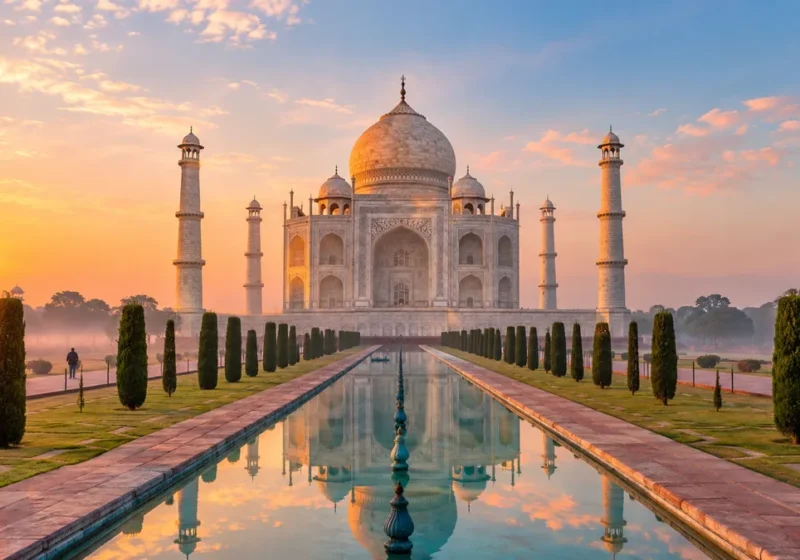
Yes. The Taj Mahal is closed to visitors every Friday. If someone tells you it is closed on any other day, check yourself before changing your plans.
Often, yes, if you choose busy stalls where food is cooked fresh and served hot. Avoid food that has been sitting out, raw salads and unbottled water, especially in your first few days.
Loose clothes that cover the shoulders and knees are the most comfortable choice and attract less attention. Carry a scarf for temples, mosques and gurdwaras, where you must cover your head or shoulders.
Many travellers find Nepal calmer, with fewer touts and less hassle. The main risks in Nepal are mountain roads, weather and altitude when trekking, rather than crime.