By the Khadaka Family · GoIndiaNepal (formerly The Pearls of India) · Serving travelers since 1996
Most Golden Triangle Tour guides online are written by marketing teams who have never lived in Delhi. We’ve been planning these journeys since 1996 — almost 30 years of watching first-time visitors fall in love with India, return travelers discover deeper layers, and families build memories that outlast every selfie.
This guide is built on what we’ve actually learned. Not Wikipedia. Not press releases. The small, real things that turn a good Golden Triangle Tour into one you’ll talk about for the rest of your life.
If you only have a few minutes, skip to the section that matches you:
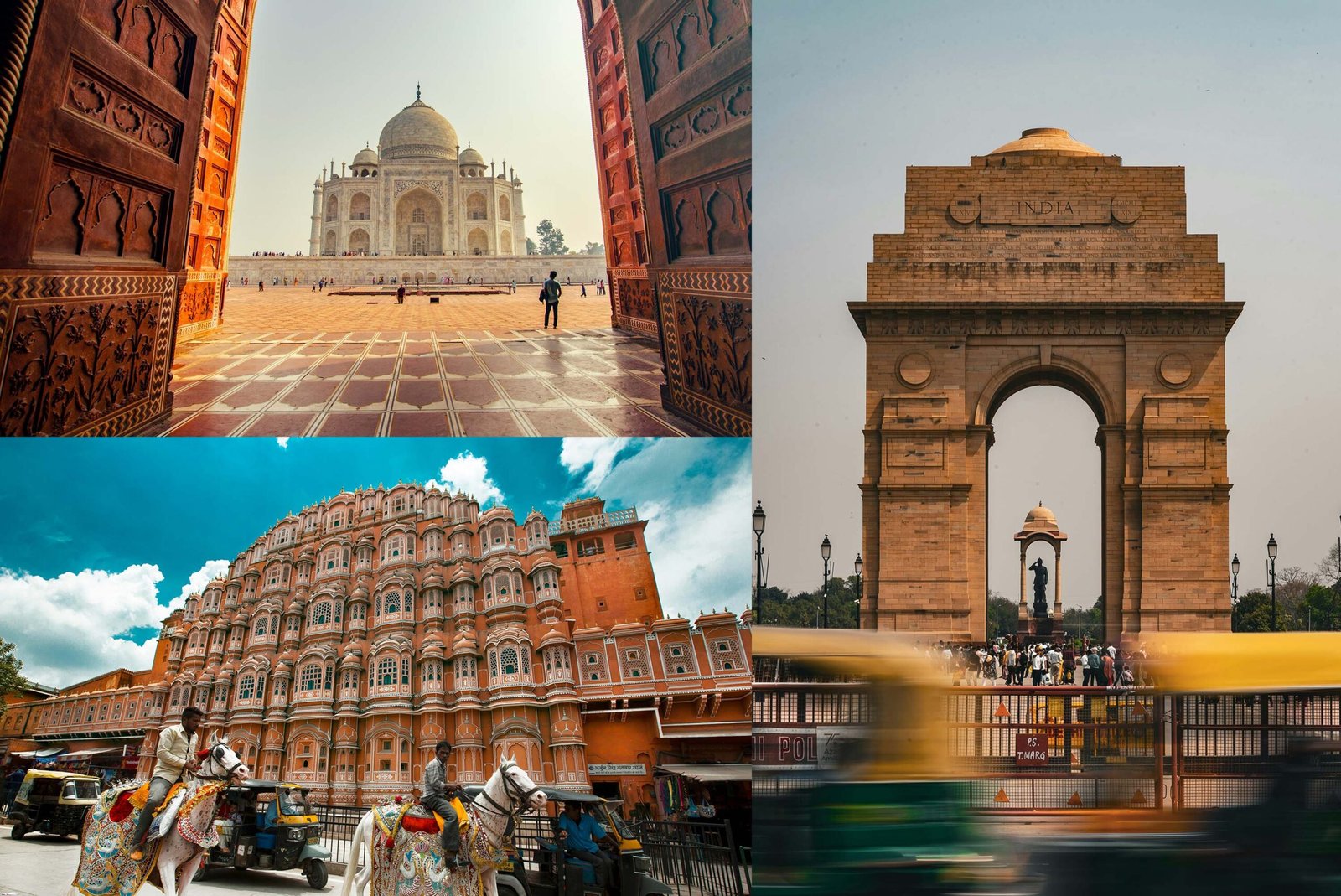
The Golden Triangle Tour is India’s most famous travel circuit, named for the triangular shape formed when you connect three iconic cities on a map: Delhi, Agra, and Jaipur. The total distance is roughly 700 kilometers, and the route can be completed in as few as 5 days or stretched into a luxurious 10-day journey.
What makes the Golden Triangle Tour the world’s most-booked India itinerary isn’t the distance — it’s the contrast.
In one week, you experience Mughal grandeur, Rajput valor, ancient spirituality, and modern Indian life. No other route compresses so much of India into so few days.
If you want the picture-perfect Golden Triangle Tour, plan for October through March. Daytime temperatures sit between 18°C and 28°C — warm enough for shorts at midday, cool enough for a light jacket in the evening. Skies are clear, photographs come out beautifully, and walking through Old Delhi’s bazaars or climbing Amber Fort is genuinely pleasant.
The peak window inside this window is mid-November to mid-February. Tourist season is in full swing, hotels are at their best, and the famous Delhi smog usually clears for short windows.
Two festivals genuinely transform a Golden Triangle Tour and are worth planning around:
If your travel dates aren’t flexible, don’t worry. The Golden Triangle Tour is rewarding in every season. The right operator simply adjusts the itinerary to your conditions.
This is the most-booked Golden Triangle Tour structure for first-time visitors. It balances rest, movement, and depth — and it’s the version we’ve refined over 30 years.
Land at Indira Gandhi International Airport. Your driver meets you at arrivals with a name placard. Quick transfer to your hotel for rest, a hot shower, and your first proper Indian dinner. We always include a brief welcome call from our team in the evening — not a sales pitch, just a friendly check-in to confirm tomorrow’s plan and answer any nerves.
Morning begins in Old Delhi with a cycle rickshaw ride through Chandni Chowk — the same lanes Mughal emperors once walked. You’ll visit Jama Masjid (India’s largest mosque), wander the Khari Baoli spice market (Asia’s biggest spice bazaar), and stop at Gurudwara Bangla Sahib, where the community kitchen feeds 35,000 people daily, free of charge.
Afternoon shifts to New Delhi: Humayun’s Tomb (the architectural rehearsal for the Taj Mahal), a drive past India Gate and Rashtrapati Bhavan, and Qutub Minar — a 73-meter victory tower from 1193.
Evening is yours. We usually suggest dinner at Indian Accent or a neighborhood favorite depending on your taste.
A morning drive on the Yamuna Expressway (about 4 hours). Afternoon at Agra Fort, the seat of Mughal power for generations. As sunset approaches, we take you across the Yamuna River to Mehtab Bagh — a Mughal garden where the Taj Mahal glows in the setting sun, viewed from the back. Most tour operators skip this. It’s the single most underrated moment of the entire Golden Triangle Tour.
Wake up early. The Taj Mahal at sunrise is not a cliché — it’s the closest thing to a real-life miracle most of us will ever see. The marble shifts from pearl-white to soft pink to gold in under thirty minutes. Crowds are thin until 7:30 a.m., so we get you in at opening.
After breakfast, drive to Jaipur with a stop at Fatehpur Sikri — Emperor Akbar’s abandoned red sandstone city, a UNESCO World Heritage site that most travelers love more than they expected.
Arrival in Jaipur by evening. Light dinner. Rest.
Morning at Amber Fort, a hilltop palace complex you reach by jeep (we no longer recommend elephant rides — there are ethical concerns and the wait can ruin your morning). Inside Amber, the Sheesh Mahal — the Mirror Palace — is the photograph everyone goes home with.
Photo stop at Hawa Mahal, the “Palace of Winds” with 953 carved windows. Then City Palace (still occupied by Jaipur’s royal family) and Jantar Mantar, an 18th-century astronomical observatory that looks like modern art.
Evening is for the bazaars — Johari Bazaar for jewelry, Bapu Bazaar for textiles. This is where you buy the souvenirs that matter.
Drive back to Delhi (5-6 hours), with time for last-minute shopping or rest. Evening transfer to the airport for your onward flight.
For travelers who want depth over speed — and most return travelers tell us this is the version they wish they’d booked first — we add:
This is where the Golden Triangle Tour stops being a checklist and becomes a story.
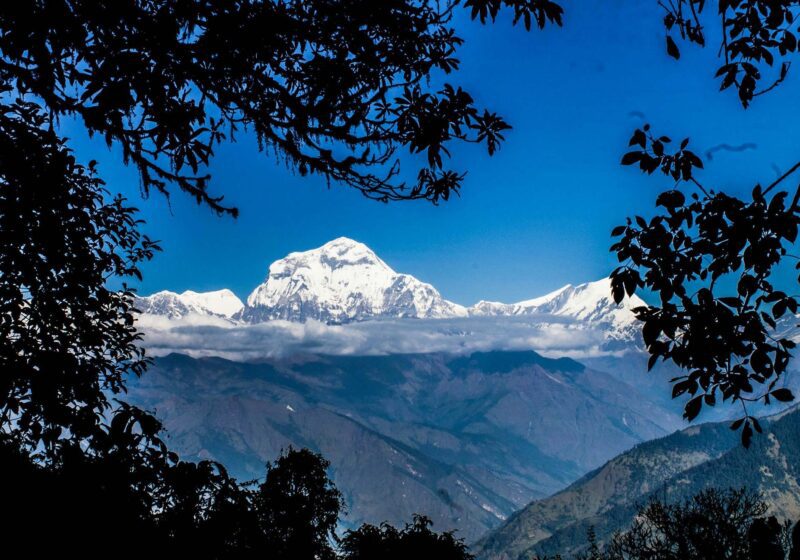
If you have 12-14 days and you’re already flying halfway across the world, extending your Golden Triangle Tour into Nepal is one of the smartest decisions you can make. Two countries, one trip, dramatically lower per-day cost than two separate journeys.
A typical extended itinerary adds:
The Indian border crossing at Sunauli is straightforward when planned by an operator who has done it hundreds of times. We have.
For luxury travelers and honeymooners, the Golden Triangle Tour is best experienced through India’s heritage hotel circuit — palaces converted into hotels where the descendants of original owners still live on the property.
Worth considering:
We can also arrange private experiences that aren’t on any standard booking site: a private sitar concert at sunset, a Mughal cooking class with a former palace chef, a one-hour photo session at the Taj Mahal with a professional photographer, a heritage walk led by a historian rather than a guide.
These aren’t add-ons we mark up. They’re things we know how to access because we live here.
A great Golden Triangle Tour does not require a luxury budget. Backpacker-friendly options we genuinely recommend:
A 6-day Golden Triangle Tour can be done comfortably for $400-600 per person if you’re willing to travel like a local. We design these too. We never refuse a budget traveler.
The packing essentials we’ve learned from 30 years of feedback:
ATMs are everywhere in cities. Use them rather than airport currency counters — the rate is better. Carry small bills (₹10, ₹20, ₹50) for tips and street purchases. Credit cards work in hotels and proper restaurants but not in markets, auto-rickshaws, or smaller shops. India’s UPI digital payment system does not yet accept foreign banking apps.
The Golden Triangle Tour is one of the safest tourist circuits in Asia, but standard travel sense applies. Don’t flash expensive electronics. Use registered taxis or Uber rather than street pickups. Solo female travelers are increasingly common — we plan many of these tours and have never had a safety incident in 30 years.
Drink only bottled or filtered water. Brush your teeth with bottled water for the first three days. Stick to busy food stalls — high turnover means fresh food. Avoid uncooked salads and pre-cut fruit at small vendors. Be brave with cooked street food at popular stalls; it’s some of the best you’ll ever eat.
After three decades of guiding people through the Golden Triangle Tour, these are the mistakes we see most:
We’re a family-run operator, not a corporate booking platform. Khem “Babu” Khadaka, our founder, started this business in 1996. His philosophy hasn’t changed in 30 years:
“If you’re happy, I am happy.”
What that means in practice:
We’ve planned Golden Triangle Tours for honeymooners from Berlin, retirees from Sydney, photography enthusiasts from Tokyo, families with three generations from California, and solo backpackers from Argentina. Every traveler is different. Every itinerary should be too.
There’s no obligation. Send us a message — by WhatsApp, email, or our Plan My Dream Trip form — with your dates, group size, and what kind of experience you’re hoping for. We’ll send back a detailed, personalized itinerary within 24 hours.
📱 WhatsApp: +91 98109 09368 ✉️ Email: [email protected] 🏠 Office: Sarita Vihar, New Delhi, India
Namaste, and we hope to be the family planning your Golden Triangle Tour in 2026.
— The Khadaka Family GoIndiaNepal (formerly The Pearls of India) Serving travelers since 1996
Q: How many days do I need for the Golden Triangle Tour? The minimum is 5 days, but we recommend 6-8 for a comfortable pace that doesn’t feel like a sprint. Add 5-7 days if you’re extending to Nepal.
Q: What’s the best month for a Golden Triangle Tour in 2026? November and February are the sweet spots — pleasant weather, clear skies, and tourist season at its best.
Q: Is the Golden Triangle Tour safe for solo female travelers? Yes, when planned by a reputable operator. We’ve guided hundreds of solo female travelers without incident. We can also arrange female drivers and guides on request.
Q: Can I do the Golden Triangle Tour by train? Yes, especially the Delhi-Agra leg via the Gatimaan Express. We can mix train and private car for budget itineraries.
Q: How much does a Golden Triangle Tour cost in 2026? Budget: $400-600 per person for 6 days (transport, basic stays, monuments) Standard: $1,000-1,500 per person (good hotels, private car, English-speaking guide) Luxury: $2,500+ per person (heritage palaces, private experiences, premium services)
We offer all three tiers and will quote based on your actual preferences, not a fixed package.
Q: Do I need a visa to enter India? Most travelers from the US, UK, EU, Australia, and Canada are eligible for the e-Tourist Visa, processed in 3-5 days online. We help with the process if needed.