By Khem “Babu” Khadaka, founder, driving these roads since 1996 · Last updated: 2027 season (October 2026 – June 2027)
The travel trends 2027 will bring to India and Nepal aren’t vague predictions about “experiential travel”. They’re concrete changes you can check: new airports, new expressways, new visa rules, new fees and new records.
Some of them make travelling easier. Delhi now has a second airport, the drive to Rishikesh has been cut to a few hours, and Pokhara finally has regular international flights. Others make it more expensive or more regulated, from Everest climbing permits to the rules on trekking guides.
We plan trips across both countries every week, so we see these changes on the road before they show up in glossy reports. This guide sets out the travel trends 2027 that will actually affect a trip in the 2026–27 season, with the sources behind each one.
So instead of asking only “What’s new in India and Nepal?”, it helps to ask a better question:
Which of these changes should alter where I go, how I get there and when I book, and which are just headlines?
That’s what this guide is built around. It covers 14 India and Nepal travel trends 2027 will bring: tourist arrival figures, visa changes, new airports, expressways and trains, homestays, spiritual and wildlife travel, slow travel, trekking rules, digital payments, and what it all means for the cost and shape of your trip.
Here’s the short version of the travel trends 2027 will bring. Each trend is explained below, with what it means for your trip.
| Trend | What changed | What it means for you |
|---|---|---|
| Nepal arrivals near record | 1.16 million visitors in 2025; +7% in early 2026 | Book autumn hotels and treks early |
| India inbound dipped | About 9.02 million in 2025, down 9.4% | Good availability, but peak dates still fill |
| Easier Indian e-Visas | 120-day booking window; 85 entry points | Apply earlier; more land crossings from Nepal |
| New airports | Noida (Jewar) opened; Pokhara gets daily international flights | New ways into Delhi’s east side and Pokhara |
| Faster roads | Delhi–Dehradun Expressway opened April 2026 | Rishikesh and Mussoorie are now easy from Delhi |
| Sleeper trains | First Vande Bharat Sleeper from January 2026 | More overnight rail options coming |
| Homestays and slow travel | Village stays and hill towns growing | Fewer stops, longer stays |
| Spiritual travel | Sarnath on UNESCO’s list; Haridwar Ardh Kumbh in 2027 | Plan around festival crowds |
| Trekking rules | Licensed guides required; Everest permit USD 15,000 | Budget for a guide; trekkers unaffected by the climbing fee |
| Digital payments | UPI in Nepal for Indians; new rupee note rules | Carry less cash, but still some |
The first of our India and Nepal travel trends 2027 is the simplest: Nepal is busy again.
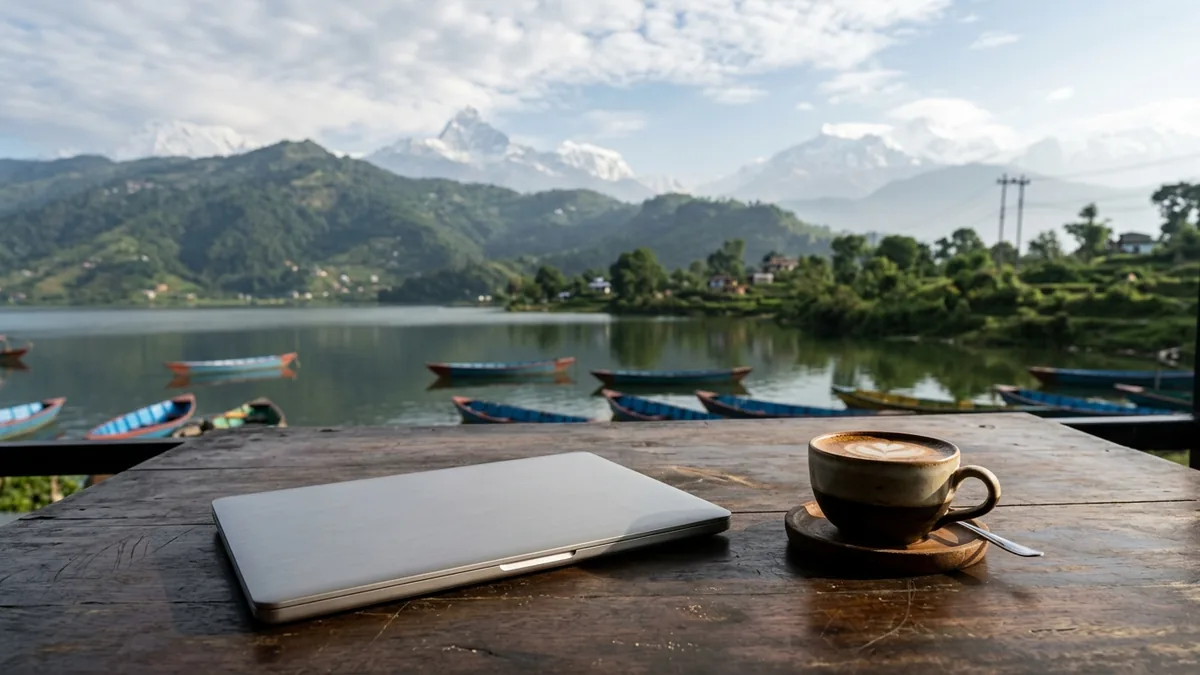
According to Nepal Tourism Board figures reported by The Himalayan Times, 1,158,459 foreign visitors arrived in 2025, up slightly from 1,147,548 in 2024 and just short of the 2019 record of 1,197,191. India sent the most (292,438), followed by the United States (112,316), China (58,684) and the United Kingdom (57,545). December 2025 was the busiest month, with 98,190 arrivals.
That was despite the youth-led protests of September 2025, which briefly hit bookings. In the first half of 2026 arrivals rose to 620,453, about 7% higher than a year earlier, Nepal News reported. March 2026, the peak of the spring trekking season, brought 120,516 visitors.
What it means for you: October, November and March are busy. Book Lukla flights, lodges on the Everest and Annapurna trails and good hotels in Pokhara well ahead. Among the travel trends 2027 will bring, this is the one that most affects availability.
India’s picture is different. The Ministry of Tourism’s Annual Tourism Snapshot 2025 puts foreign tourist arrivals at 90.2 lakh (about 9.02 million) in 2025, down 9.4% on 2024. The United States (20.1%) and the United Kingdom (11.8%) were the largest markets, followed by Australia, Canada and Bangladesh. Foreign exchange earnings from tourism were about USD 31.3 billion.
Meanwhile Indians are travelling more than ever. The same report counts 32.7 million departures by Indian nationals in 2025, and India is the biggest source of visitors to Nepal.
What it means for you: fewer foreign tourists means good hotel availability outside festival and wedding season. But domestic travel is booming, so Rishikesh, Shimla, Manali and Jaipur are busy on Indian weekends and school holidays. Travel midweek where you can. It’s one of the quieter travel trends 2027 visitors will notice at the monuments.
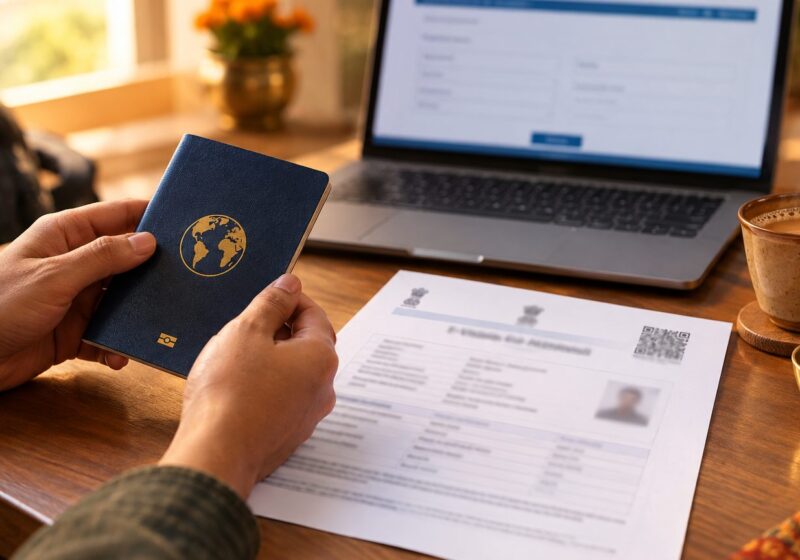
India has made small but useful changes to the e-Visa. From 18 December 2025 you can choose an arrival date up to 120 days ahead on the 30-day e-Tourist Visa, instead of 30 days, which makes it easier to apply once your flights are booked.
In August 2026 India also expanded the list of places where e-Visa holders can enter, to 85: 36 airports, 38 seaports and 11 land crossings, as summarised by Passport Index. The land list includes three posts on the Nepal border, Raxaul, Rupaidiha and Jogbani, which matters if you plan to go from Nepal back into India overland. Sunauli, the crossing most tourists use, was not on it.
Nepal’s visa remains simple: a tourist visa on arrival costs USD 30, 50 or 125 for 15, 30 or 90 days, and you can fill in the form online before you land.
What it means for you: apply for your Indian e-Visa as soon as your dates are fixed, and check the official Indian e-Visa site for the latest list of entry points before you plan an overland return from Nepal.
Noida International Airport at Jewar, Delhi’s second airport, was inaugurated on 28 March 2026 and began commercial flights on 15 June 2026, with IndiGo and Akasa Air flying domestic routes, according to its Wikipedia entry. International flights are expected later. Because it sits south-east of Delhi on the Yamuna Expressway side, it’s a convenient arrival point for trips that start with Agra.
In Nepal, Pokhara International Airport opened in January 2023 but struggled to attract international airlines. That changed in September 2026, when flydubai began daily Dubai–Pokhara flights, OnlineKhabar reported, initially approved to 24 October 2026. Gautam Buddha International Airport at Bhairahawa, near Lumbini, opened in 2022 but has few international flights.
What it means for you: for most visitors, Delhi’s Indira Gandhi airport and Kathmandu’s Tribhuvan airport are still the main gateways. But if you’re coming from the Gulf, flying straight into Pokhara now saves a day. Watch this space; new airports are among the travel trends 2027 will keep developing.
One of the clearest travel trends 2027 is a shift from big hotels towards family homestays, especially in Nepal’s hills and India’s Himalaya.
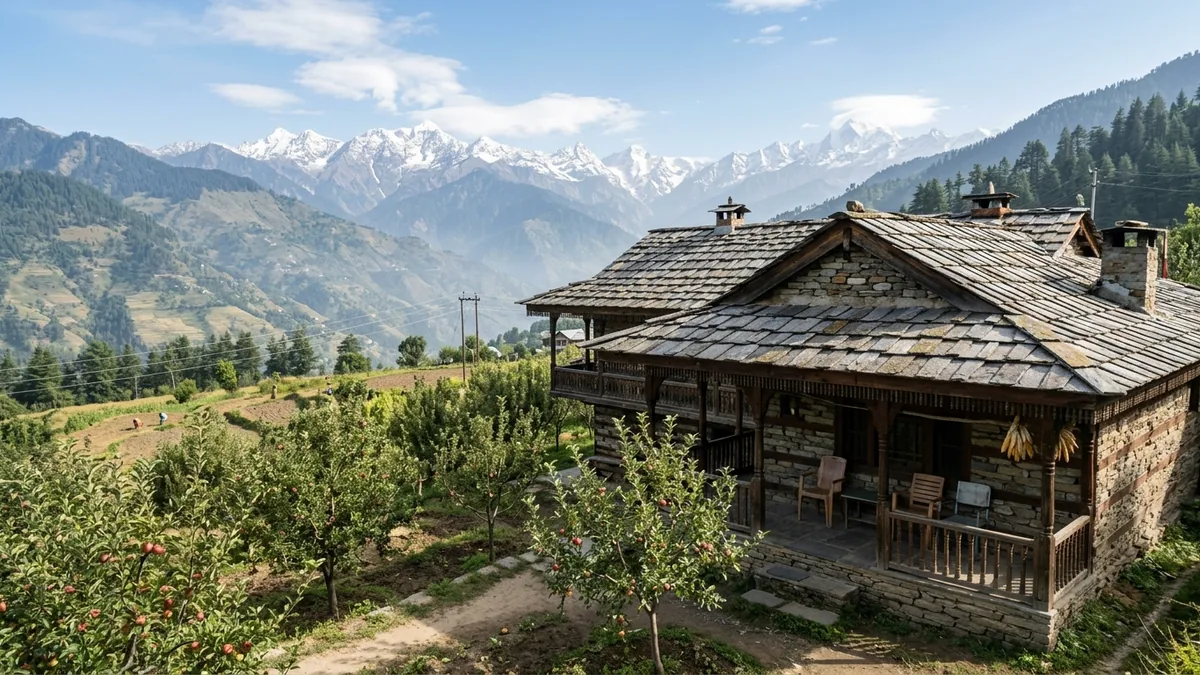
In Nepal, community homestays in places like Ghandruk, Sirubari and the villages around Bandipur let you stay with a family, eat what they cook and walk their fields. In India, homestays have spread across Himachal, Uttarakhand, Ladakh and Sikkim, often in old stone and timber houses.
The appeal is simple. You get a real place rather than a lobby, and your money stays in the village. The trade-off is comfort: expect simple rooms, shared bathrooms in some places, and dinner at a fixed time.
What this travel trends 2027 shift means for you: mix one or two homestay nights into a hotel-based trip rather than committing to a fortnight of them. We can suggest ones we know, including in the hill villages on our Nepal routes.
Road trips in North India are getting shorter. The Delhi–Dehradun Expressway, about 210 km, was inaugurated on 14 April 2026 and cuts the Delhi–Dehradun drive to around 2.5 hours, according to its Wikipedia entry. It includes a 14 km elevated wildlife corridor through Rajaji National Park, so animals can pass underneath.
The Delhi–Mumbai Expressway is also advancing. The Sohna–Dausa stretch has been open since 2023, a spur to Jaipur is running, and the Delhi–Vadodara section is expected to be complete by the end of 2026.
In Nepal, the Kathmandu–Terai Fast Track, a 71 km expressway with tunnels and bridges built by the Nepali Army, is officially due in 2027 and would cut hours off the drive from Kathmandu to the plains. Nepal’s projects often slip, so we don’t plan around it yet.
What it means for you: Haridwar, Rishikesh and Mussoorie now fit easily into a Delhi-based trip. Our Haridwar, Rishikesh and Mussoorie tour and Ganga Yatra guide reflect the faster road. Faster roads are one of the travel trends 2027 that favour private car travel, and they will keep coming as more of the expressways open.
India’s semi-high-speed Vande Bharat trains now link many tourist cities by day. The next step is overnight: the first Vande Bharat Sleeper started running between Howrah and Kamakhya (Guwahati) on 17 January 2026, and Indian Railways plans a dozen sleeper sets by March 2027. Rail is one of the slower-moving travel trends 2027 will continue.
For travellers, that means a comfortable modern alternative to the old overnight trains on long routes, once services reach the tourist circuits.
What it means for you: for the Golden Triangle and Rajasthan, a private car is still the most flexible way to travel, because the sights are spread out and the drives are manageable. Trains make most sense for the long jumps, such as Delhi to Varanasi. Book on IRCTC well ahead for October to March.
Pilgrimage has become one of the biggest drivers of travel in India, and it’s now firmly among the India travel trends 2027 visitors will notice. The Ram temple in Ayodhya, consecrated in January 2024, and the Kashi Vishwanath corridor in Varanasi, opened in 2021, draw huge domestic crowds.
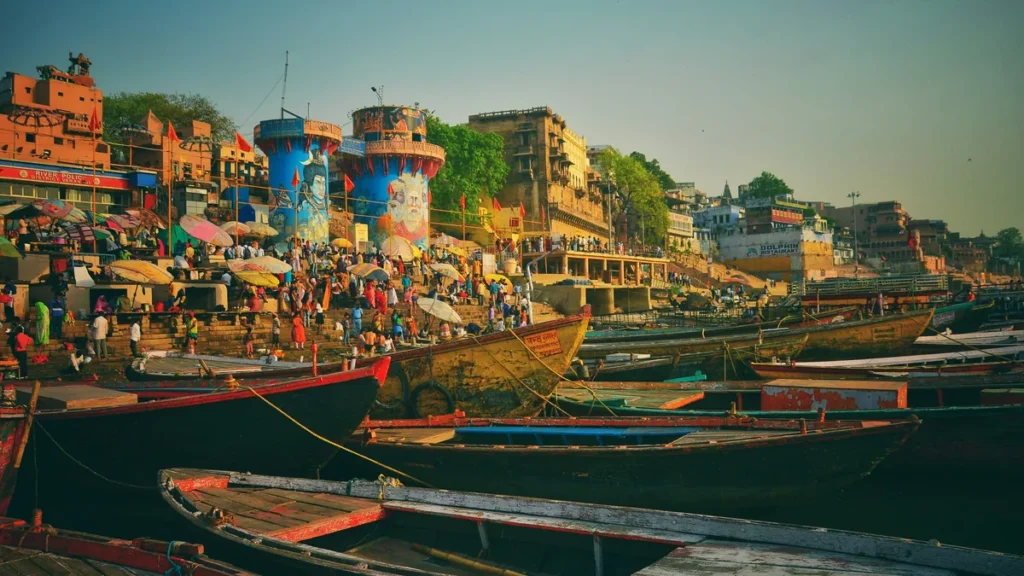
On 25 July 2026 Sarnath, where the Buddha preached his first sermon, became India’s 45th World Heritage Site, as announced by UNESCO. It strengthens the Buddhist circuit that runs from Bodh Gaya and Sarnath to Kushinagar and Lumbini in Nepal.
In 2027 Haridwar hosts the Ardh Kumbh. The Akhara Parishad has announced the main royal bathing days as 6 March (Maha Shivaratri), 8 March and 14 April 2027; the state government’s full schedule is still to come.
What it means for you: if you want to see a great festival, plan and book early. If you’d rather avoid the crowds, keep away from Haridwar on those dates. Our India and Nepal pilgrimage guide covers the sacred sites in detail.
Wildlife is one of the travel trends 2027 we’re most pleased about. Two conservation success stories shape it. Nepal’s tiger count rose from 121 in 2010 to 355 in 2022, and its 2021 census counted 752 one-horned rhinos, most of them in Chitwan. India’s 2022 tiger estimate put the national population at about 3,682.
That makes a tiger safari at Ranthambore or a rhino drive in Chitwan among the most rewarding add-ons to a cultural trip. It also means parks are busier, and safari permits for the best zones sell out.
What it means for you: book Ranthambore safaris as soon as your dates are fixed, and give Chitwan two nights. Skip elephant rides; jeep and canoe safaris are better for wildlife and for the animals. Our Ranthambore tiger safari guide explains the zones and booking.
Slow travel, staying longer in fewer places, has moved from backpacker habit to mainstream preference. Of all the travel trends 2027 will reward, it’s the one we recommend most.
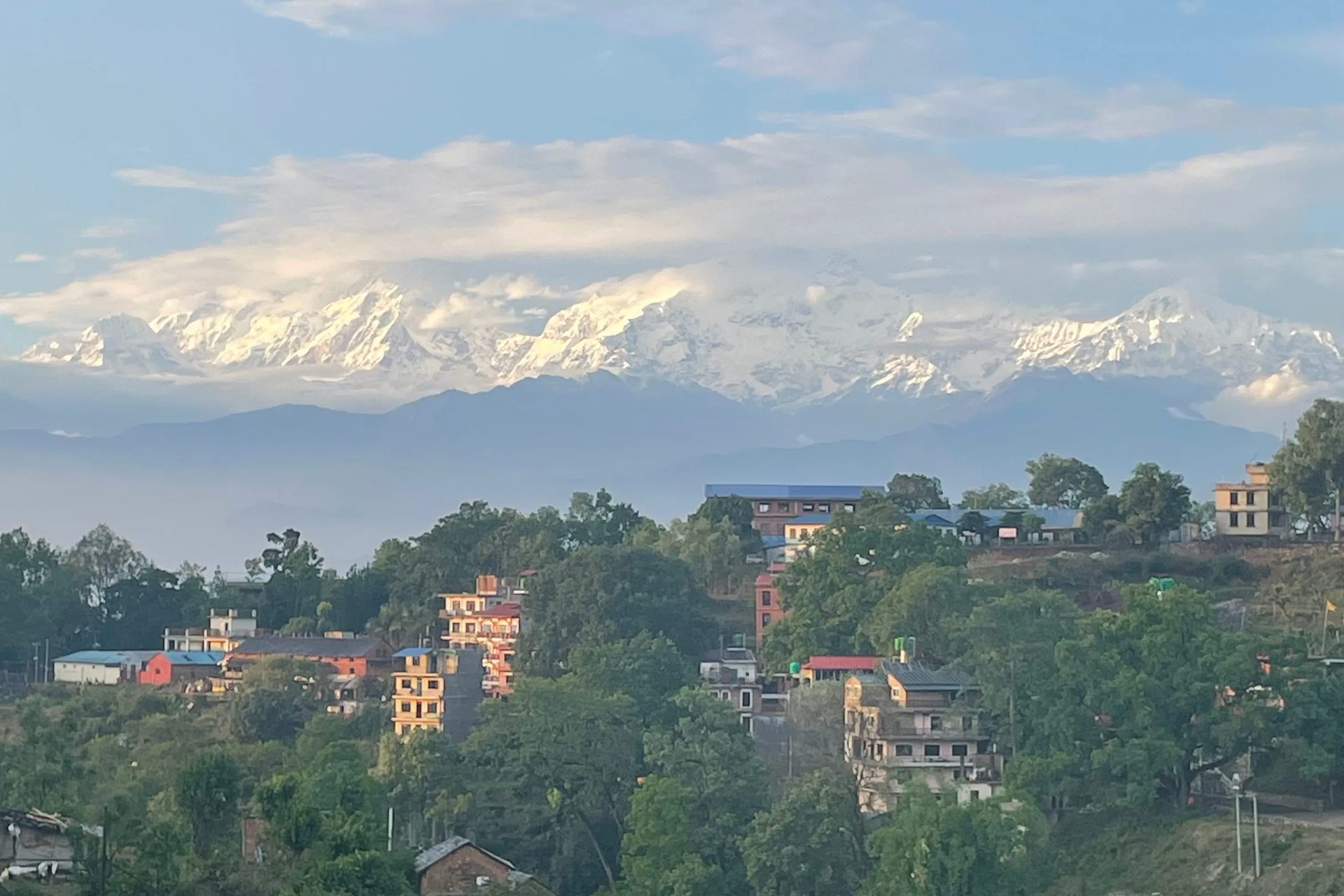
Nepal is made for it. Hill towns like Bandipur, with its car-free bazaar, and Tansen reward two nights rather than a lunch stop. Remote workers now stay weeks in Pokhara’s lakeside cafés. In India, the same spirit shows in longer stays in Udaipur, Rishikesh, the Kullu valley and the Himachal hills.
What it means for you: cut one city and spend the day you save somewhere you already like. Our guide to the best places to visit in Nepal suggests where to slow down, and our 14-day India Nepal itinerary shows how to pace a two-country trip.
Regulation is the least welcome of the travel trends 2027 brings to trekkers, but it has a purpose. Nepal has tightened the rules in the mountains. Since 1 April 2023 the Nepal Tourism Board has required foreign trekkers in national parks and conservation areas to go with a licensed guide, though enforcement has varied, especially in the Everest region, where the local municipality disputed it.
For climbers, the change is bigger. From September 2025 the spring Everest permit for foreigners rose from USD 11,000 to USD 15,000, the autumn permit to USD 7,500 and the winter and monsoon permit to USD 3,750, the first rise since 2015, the Kathmandu Post reported. New rules also require one guide for every two climbers on Everest and other 8,000-metre peaks.
Trekking permits themselves have changed little. The Sagarmatha National Park fee is NPR 3,000 and the Annapurna Conservation Area permit NPR 3,000, while some Khumbu local permit cards now show NPR 3,000 instead of NPR 2,000.
What it means for you: trekkers aren’t affected by the climbing fee, but you should budget for a licensed guide. It’s safer anyway. Read our Everest Base Camp trek guide and our beginner treks guide for the details.
Payments are one of the fastest-moving travel trends 2027 will continue. Cash is fading in both countries, though not for everyone yet. Since March 2024 Indian travellers have been able to pay with UPI at many Nepali merchants through the Fonepay network, as announced by NPCI International. Foreign visitors in India can use UPI One World, a prepaid wallet set up with passport and visa details, though it’s still not available everywhere.
Nepal has also relaxed its rules on Indian cash. Nepal Rastra Bank now allows Indian ₹200 and ₹500 notes issued since November 2016, up to ₹25,000 per person, where previously only ₹100 notes and smaller were permitted. ₹2,000 notes are still banned.
What it means for you: cards and phones cover hotels and larger shops, but carry cash for temple fees, tips, markets and anywhere outside the big towns. See our guide to planning an India and Nepal trip for more on money.
Put together, the travel trends 2027 points to are simple: book earlier for Nepal, travel midweek in India, use the new roads, go slower, and budget properly for guides in the mountains. Our prices stay published and fixed for the whole vehicle:
| Trip | Sedan (1–3) | SUV (4–5) | Tempo Traveller (6–8) |
|---|---|---|---|
| India Nepal Grand Odyssey | USD 1,869 | USD 2,562 | USD 3,360 |
| Luxury Nepal Tour, 10 days | USD 890 | USD 1,220 | USD 1,600 |
| Haridwar, Rishikesh and Mussoorie, 5 days | USD 445 | USD 610 | USD 800 |
| Golden Triangle with Ranthambore, 8 days | USD 712 | USD 976 | USD 1,280 |
In India, prices cover the car, driver, fuel, tolls, parking and state taxes; in Nepal, the car, driver, fuel, tolls and parking. Hotels, meals, entry fees, guides and flights are extra. Treks are priced per person, from USD 1,005 for our 11-day Annapurna Base Camp trek and USD 1,320 for our 14-day Everest Base Camp trek, with the guide, porter, permits, lodging and meals included.
For a route built around these changes, see our India and Nepal tours or our tailor-made India tours.
Tell us when you’re travelling and what interests you, and we’ll build a trip around the new roads, rules and seasons. We reply within 24 hours with a fixed price for the car and driver. If you’d like a detailed day-by-day itinerary, it costs €100, and the full €100 is deducted from your tour price when you book. There is no obligation.
Tailor-Made India & Nepal
Tell us what you love and we reply within 24 hours with a fixed price. A detailed day-by-day itinerary costs €100, deducted in full from your tour price.
Pick one or more destinations — you can mix India and Nepal freely.
This helps us match the right pace, stay and activities.
We reply within 24 hours. No spam, ever.
Before you book, check your plan against the travel trends 2027 has brought:
If you can answer yes to most of these, your trip is ready for 2027.
Think of the travel trends 2027 brings in three groups.
Easier: new airports, faster expressways, longer e-Visa windows and digital payments. Busier: Nepal in peak season, India’s pilgrimage sites and wildlife parks. More regulated: trekking guides and climbing permits.
Use the easier parts, book ahead for the busier ones and budget for the rules. That’s how to turn the travel trends 2027 brings into a better trip.
Near-record arrivals in Nepal, new airports at Noida and Pokhara, faster expressways such as Delhi to Dehradun, longer Indian e-Visa booking windows, growing homestays and slow travel, stricter trekking rules and more digital payments.
Nepal received 1,158,459 foreign visitors in 2025, slightly more than the 1,147,548 in 2024 and close to the 2019 record of 1,197,191. India was the largest source market, followed by the United States, China and the United Kingdom.
Yes. Arrivals in the first half of 2026 reached 620,453, about 7% more than in the same period of 2025, and July 2026 was up 2.3% on the previous July. It is one of the clearest Nepal travel trends 2027 will build on.
India’s Ministry of Tourism recorded about 9.02 million foreign tourist arrivals in 2025, down 9.4% on 2024. The United States and the United Kingdom were the largest markets.
Yes. It was inaugurated on 28 March 2026 and began commercial flights on 15 June 2026, with IndiGo and Akasa Air flying domestic routes. International flights are expected later.
The Delhi to Dehradun Expressway, about 210 km, opened in April 2026 and cuts the drive to around 2.5 hours, which makes Haridwar, Rishikesh and Mussoorie much easier to reach from Delhi.
Yes. In September 2026 flydubai began daily flights between Dubai and Pokhara, the first regular international service at Pokhara International Airport, initially approved until 24 October 2026.
From 18 December 2025 you can choose an arrival date up to 120 days ahead for the 30-day e-Tourist Visa. In August 2026 India expanded e-Visa entry points to 85, including Raxaul, Rupaidiha and Jogbani on the Nepal border.
Since September 2025 a foreign climber pays USD 15,000 for Everest in spring, USD 7,500 in autumn and USD 3,750 in winter or the monsoon. Trekkers going to base camp do not pay this fee.
Since 1 April 2023 foreign trekkers in Nepal’s national parks and conservation areas have been required to use a licensed guide. Enforcement has varied by region, but a guide is safer and is included in our treks.
The Akhara Parishad has announced the main royal bathing days as 6 March, 8 March and 14 April 2027. The Uttarakhand government is expected to publish the full schedule.
Yes. Sarnath, near Varanasi, where the Buddha gave his first sermon, was inscribed on 25 July 2026 as India’s 45th World Heritage Site.
Yes. Since March 2024 Indian UPI users have been able to pay at many Nepali merchants through the Fonepay network. Nepal also now allows Indian 200 and 500 rupee notes up to 25,000 rupees per person.
Yes, for a night or two, and they are one of the fastest-growing travel trends 2027 will see. They offer real village life and put money into local families, but rooms are simple. Mixing a few homestay nights into a hotel-based trip works best.
Yes, with normal care. Nepal held a general election on 5 March 2026 and tourist arrivals have grown since. Check your government’s travel advice before you go.
Yes. It was written in September 2026 for the October 2026 to June 2027 season, using the latest official figures available. Rules and schedules change, so confirm details before you travel.
A good trip in 2027 isn’t about chasing every one of the travel trends 2027 brings. It’s about knowing which changes help you and which ones you need to plan around.
Booked early for Nepal’s peak season? e-Visa in hand? Using the new roads? A guide for the mountains? Somewhere to slow down?
If the answer is yes, you’ll find India and Nepal easier to travel than ever. If not, you’ll find the queues and the full hotels first.
Once you plan around those things, making use of the travel trends 2027 brings becomes simple. For more help, read our guide to the 14-day India Nepal itinerary, the best places to visit in Nepal or our Golden Triangle guide.
See the India Nepal Grand Odyssey · India and Nepal tours · Plan my trip