By Khem “Babu” Khadaka, founder, driving these roads since 1996 · GoIndiaNepal · Last updated: 29 October 2026 · 2026–27 season
The best time to visit India is from October to March, when the north is dry, sunny and comfortable, with November, February and early March the very best months for the Golden Triangle and Rajasthan.
But “winter” in India is not one simple thing.
Most travel sites stop at “go between October and March” and leave it there. Then guests arrive in late December and find Delhi under thick fog, trains running hours late and hotel prices at their highest of the year. Others come in April because the flights are cheap and meet 42°C in Agra. We have driven guests across North India for close to 30 years, in every month of the year, and the small differences between one month and the next decide whether a trip feels easy or hard work.
This guide covers India’s three seasons, a full month-by-month table, the honest pros and cons of each month, the best time for the Golden Triangle, Rajasthan, the Taj Mahal, tiger safaris, Varanasi and the Himalayas, the main festivals of 2027 with their dates, and how to combine India with Nepal in the same trip.
When should we actually go to India so the weather is good, it is not too crowded, and we do not pay peak prices for nothing?
In This Guide
India is a huge country, so there is no single best month for all of it. When it is pleasant in Jaipur, it is snowing in Manali. When the hills are perfect in May, Agra is baking. So the honest answer always starts with a question: which part of India?
Most of our guests come for the north: Delhi, Agra and Jaipur, then on into Rajasthan, Varanasi or Nepal. For that part of India, the dry season from October to March is the right time, and within it some weeks are clearly better than others.
Insider tip: if you can only travel in December or January, start your trip with the warmest places (Jaipur, Udaipur) and keep Delhi and Agra for the middle of the day. Our drivers never plan a 5 a.m. foggy start just to tick a box.
North India has three main seasons. They are not the same as spring, summer, autumn and winter in Europe, so it helps to think in Indian seasons instead. Incredible India, the official tourism site, uses the same three.
| Season | Months | Weather in the north | Good for | Watch out for |
|---|---|---|---|---|
| Cool, dry season | October – March | Sunny days, 20–33°C; cold nights in Dec–Jan | Golden Triangle, Rajasthan, Varanasi, tiger safaris, festivals | Fog and smog in Delhi in Dec–Jan; peak prices at Christmas |
| Hot season | April – June | Dry and very hot, often 38–42°C in Delhi | Shimla, Manali, the hills; tiger sightings at waterholes | Heat on the plains; long sightseeing days are hard |
| Monsoon | July – September | Humid, 27–36°C, heavy showers most days | Green landscapes, Udaipur lakes, low prices | Landslides in the hills; national parks closed |
The monsoon usually reaches Delhi and Rajasthan in late June or early July and pulls back from the north-west in late September, according to the India Meteorological Department. Every year is a little different, so we always check the forecast with guests before they fly.
Insider tip: the change of season is often the best time of all. The first two weeks after the monsoon (early October) and the last weeks before the heat (early March) are green, clear and quieter.
Here is the whole year in one table for Delhi, Agra, Jaipur and Rajasthan. Temperatures are long-term averages for Delhi (1991–2020 normals). Agra is very similar to Delhi, Jaipur is a degree or two cooler at night, and the desert around Jaisalmer is colder at night in winter and hotter by day in summer.
| Month | Day / night (Delhi) | Rain | Crowds | Our verdict |
|---|---|---|---|---|
| January | 21°C / 7°C | Very little | High | Good, but cold mornings and fog |
| February | 24°C / 11°C | Very little | High | Excellent |
| March | 31°C / 16°C | Very little | Medium | Excellent (warm by the end) |
| April | 37°C / 21°C | Almost none | Low | Hot; fine for the hills |
| May | 40°C / 26°C | Almost none | Low | Too hot for the plains |
| June | 39°C / 28°C | Monsoon arrives late in month | Low | Too hot; hills only |
| July | 36°C / 27°C | Heavy | Very low | Monsoon |
| August | 34°C / 27°C | Heaviest | Very low | Monsoon |
| September | 34°C / 25°C | Moderate, ending | Low | Green, humid, quiet |
| October | 33°C / 19°C | Very little | Medium | Very good |
| November | 28°C / 13°C | Almost none | High | Excellent |
| December | 23°C / 8°C | Very little | Very high at Christmas | Good, but book early |
Source: long-term climate normals for New Delhi (1991–2020). Real weather in any year can be warmer, cooler or wetter.
Insider tip: look at the night temperature, not only the day. In January a desert camp near Jaisalmer can drop to just a few degrees above freezing after dark, even when the day was a lovely 23°C. Pack a warm layer.
Here is India’s weather by month in a few lines each:
Sunny, dry days of about 21°C in Delhi, but cold nights and foggy mornings in the first half of the month. Rajasthan and the desert are lovely, and Goa and Kerala are at their peak. The Jaipur Literature Festival runs from 14 to 18 January 2027, and Republic Day on 26 January brings a big parade to Delhi.
February is often the best time to visit India for the north: clear skies, fresh mornings, mustard fields in flower and the fog gone. The Jaisalmer Desert Festival is planned for 18 to 20 February 2027. It is busy, so book hotels early.
Warm and bright, around 31°C by the end of the month, with fewer crowds than February. Holi, the festival of colours, falls on 22 March 2027. From mid-March hotels get cheaper and the best tiger-spotting months begin in Ranthambore.
The plains heat up to about 37°C, so start sightseeing early. Hotels are cheaper and the Taj Mahal is quieter. In the hills and in Nepal, April is beautiful, with rhododendrons in flower.
The hottest month on the plains, often 40°C in Delhi. Head for Shimla, Manali or Dharamshala instead. Tiger sightings are good at the waterholes, but jeep safaris are very hot.
Still very hot until the monsoon arrives in the north, usually in the last days of June. Ranthambore closes its core zones after 30 June. It is the start of the short summer season in Ladakh.
Monsoon month: heavy showers, humidity and very green countryside. National parks are closed and mountain roads can be blocked by landslides. Prices are at their lowest, and Udaipur is pretty in the rain.
Usually the wettest month in Delhi. Independence Day on 15 August is a public holiday. Keep any trip short and on the plains.
The rain eases and the monsoon pulls back from the north-west in the second half of the month. It is humid but green and quiet, and Udaipur’s lakes are full. A good-value month if you do not mind the heat.
One of the best months: dry, green after the rains and warm. Ranthambore reopens on 1 October. Early October is still shoulder season, so it is a good time to visit India for value, and Diwali falls on 29 October in 2027.
For many travellers this is the best time to visit India: sunny days of about 28°C, cool evenings and the Pushkar Camel Fair. Diwali is on 8 November 2026 and Dev Deepawali in Varanasi on 24 November 2026. Delhi’s air can be poor in the first half of the month.
Peak season. Days are pleasant and nights cold, and fog is common from the middle of the month. Christmas to New Year is the busiest and most expensive week, so book three to six months ahead.
If you asked our family to choose one time of year, most of us would say late October to the end of November. The monsoon has washed the dust away, the fields are green or golden with the harvest, and the heat has broken. Days are warm and sunny, and evenings are pleasant enough to sit outside.
This is also festival season. Diwali, the festival of lights, falls on 8 November 2026 and 29 October 2027. Cities are lit with lamps and fireworks, sweets shops are full and the mood is wonderful. A few days later comes Dev Deepawali in Varanasi, when the ghats are lit with thousands of clay lamps. In Rajasthan, the famous Pushkar Camel Fair fills the desert town in November.
Insider tip: if you plan to be in Delhi around Diwali, keep your Delhi days short. Our Delhi sightseeing can be moved to the start or end of the trip depending on the air quality that week, and the rest of Rajasthan is usually much cleaner.
December and January are the busiest months in India for foreign visitors. The days are often clear and comfortable for sightseeing, at around 20–23°C in Delhi, and the light is soft and beautiful for photos. Christmas and New Year bring holidaymakers from Europe and from India itself, so popular hotels fill up and prices go up.
The honest problem is the fog. On many mornings from mid-December to mid-January, dense fog covers Delhi, Agra and the plains of the north. On the worst days, flights at Delhi airport are delayed or cancelled and trains run hours late. Cars still move, but slowly and carefully. The fog usually lifts by late morning, and Rajasthan further west is often clearer.
A private car is a real advantage in this season. When a train is cancelled because of fog, our guests simply leave a little later. Read our honest guide to Delhi to Agra by car to see how we plan around this.
Insider tip: 26 January is Republic Day. The big parade in Delhi is impressive, but roads in central Delhi close for the parade and the rehearsals in the days before. We plan Delhi sightseeing around those days.
If you want the best weather with fewer crowds than December, choose February or the first half of March. The fog has gone, the mornings are fresh, the days are warm and sunny, and the Christmas crowds have left. The light at the Taj Mahal is clear, and the countryside in Rajasthan is full of yellow mustard fields.
March ends with the most joyful festival in India: Holi, the festival of colours. In 2027, the bonfire night (Holika Dahan) is on 21 March and the colour day is Monday 22 March 2027. Everyone throws coloured powder and water, strangers become friends for a day, and it is unforgettable if you enjoy a party.
On Holi morning, monuments and markets can be quiet or closed, and some roads are not pleasant to drive. We plan a slow day around it, so you can enjoy the colours safely with a local family or at your hotel and travel on the day after.
Insider tip: wear old clothes you can throw away, put oil on your hair and skin before Holi starts, and keep your phone in a zip bag. The colours stain.

For the plains of North India, yes, mostly. From mid-April the heat builds fast, and in May and June Delhi often reaches 40°C or more by mid-afternoon, with Rajasthan hotter still. Sightseeing is possible in the early morning and evening, but the middle of the day is spent indoors. We do not recommend a first trip to India in May or June for Delhi, Agra and Rajasthan.
But this is the best season for the hills. While the plains are hot, Shimla, Manali and Dharamshala are fresh and green, and the roads to the high passes start to open. This is also a very good time to see tigers, because the animals come to the few waterholes left in the dry forest.
Insider tip: early April can still work well for the Golden Triangle if you start very early each day. Hotels are cheaper and the Taj Mahal is far quieter than in February.
The monsoon is the season most guides tell you to avoid, and for many people that is right. But it is not constant rain. On a typical monsoon day in Delhi or Jaipur, there is a heavy shower or two, then sun, steam and very green fields. Prices are at their lowest and the monuments are quiet.
The real problems are humidity, flooded roads after a heavy downpour, and in the mountains, landslides that can close roads for a day or more. Ranthambore and most national parks close their core zones from 1 July to 30 September, so this is not a season for tigers.
Insider tip: if you must travel in August, keep the trip on the plains and short. A 4-day Golden Triangle works fine. Leave the mountains for another season.
The Golden Triangle of Delhi, Agra and Jaipur is at its best from October to March. If you can choose, aim for late October to November or February to mid-March: dry, sunny, comfortable, without the worst of the fog or the Christmas prices.
| Time of year | Golden Triangle rating | Why |
|---|---|---|
| Oct – Nov | ★★★★★ | Warm days, clear skies, festival season |
| Dec – Jan | ★★★★ | Pleasant days but foggy mornings and peak prices |
| Feb – mid-Mar | ★★★★★ | Clear light, fresh mornings, mustard fields |
| Late Mar – Apr | ★★★ | Getting hot; start early each day |
| May – Jun | ★★ | Very hot |
| Jul – Sep | ★★★ | Humid and rainy, but quiet and cheap |
How many days do you need? Read our guide on how many days for the Golden Triangle, or see the full 4-day and 6-day itineraries.
Insider tip: plan your Agra day so it is not a Friday. The Taj Mahal is closed every Friday, all year.
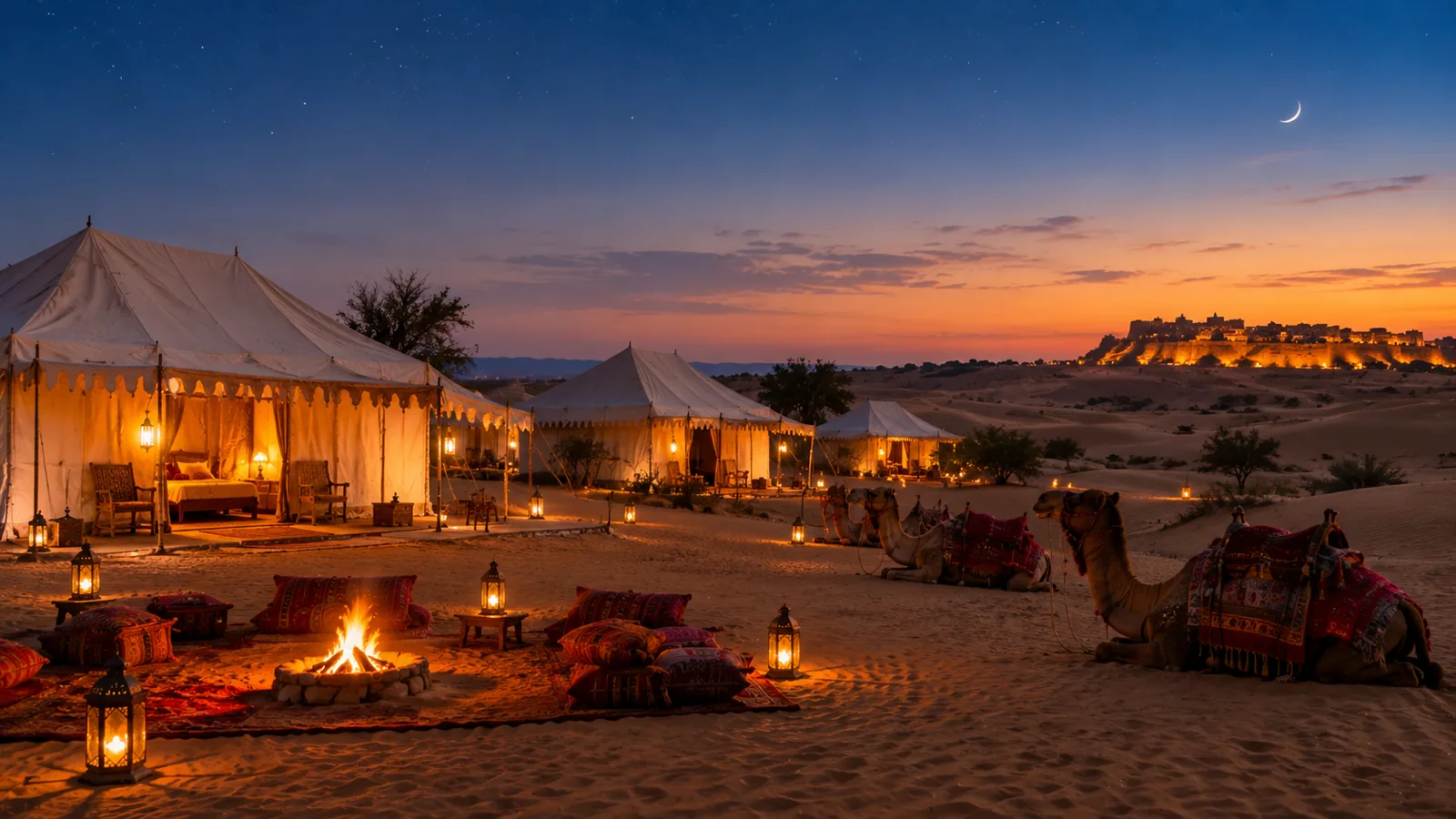
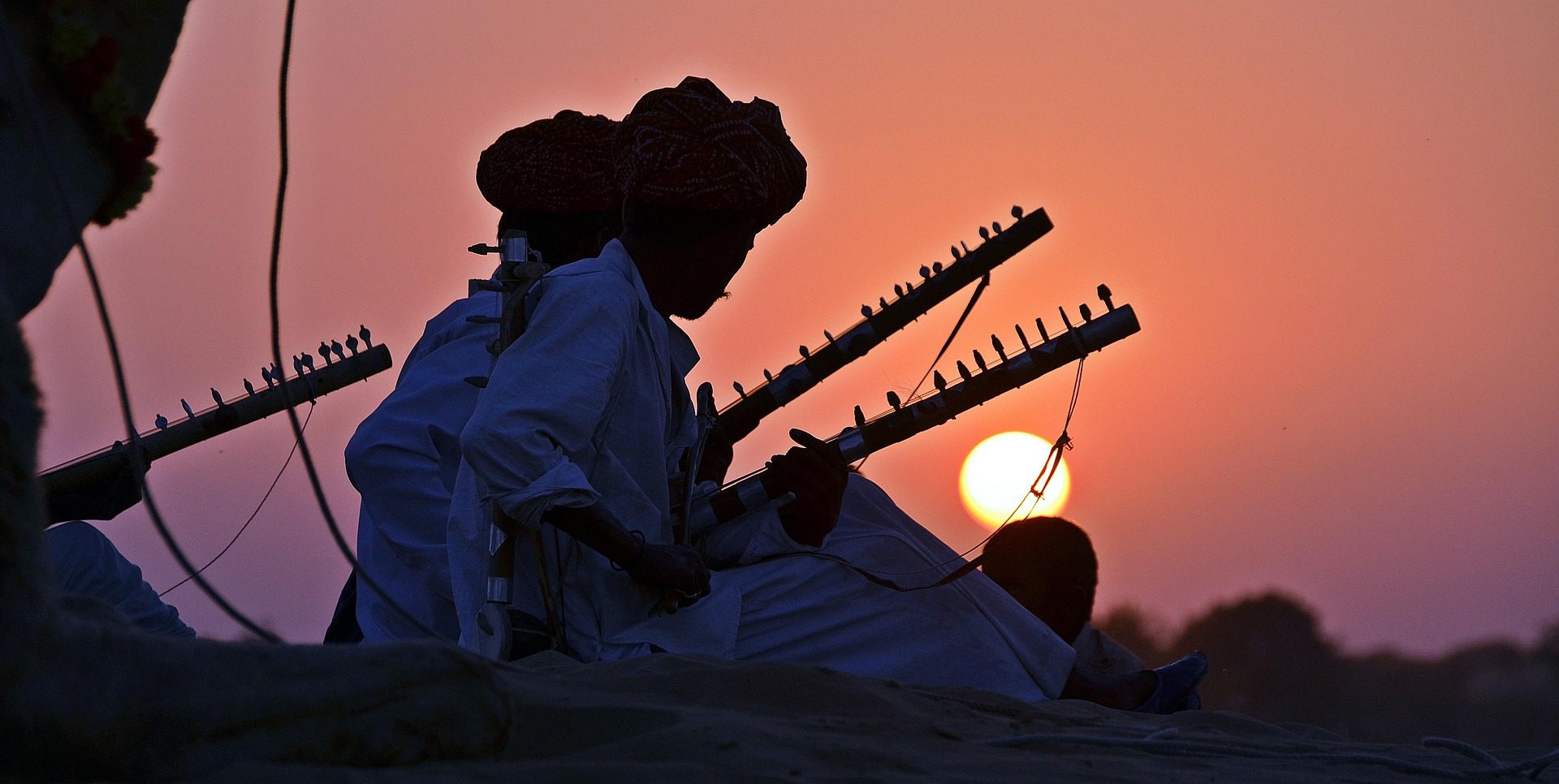
Rajasthan is a desert state, so the dry winter is its season. October to March is ideal for Jaipur, Jodhpur, Udaipur and Pushkar, and November to February is best for Jaisalmer and the Thar Desert, when the sand is cool and the desert nights are crisp and full of stars.
| Place | Best months | Note |
|---|---|---|
| Jaipur | Oct – Mar | Literature Festival in January; Holi in March |
| Jodhpur | Oct – Mar | Gets very hot from April |
| Jaisalmer and the Thar | Nov – Feb | Desert Festival in February; very cold nights in Dec–Jan |
| Udaipur | Sep – Mar | Lakes are fullest after the monsoon |
| Pushkar | Oct – Mar | Camel Fair in November |
| Ranthambore | Oct – Jun | Closed for safaris 1 July – 30 September |
For a full route, read our Rajasthan itinerary guide and our honest Rajasthan tourism guide.
Insider tip: Udaipur is the one Rajasthan city that can be lovely in September, right after the rains, when Lake Pichola is full and the hills around it are green.
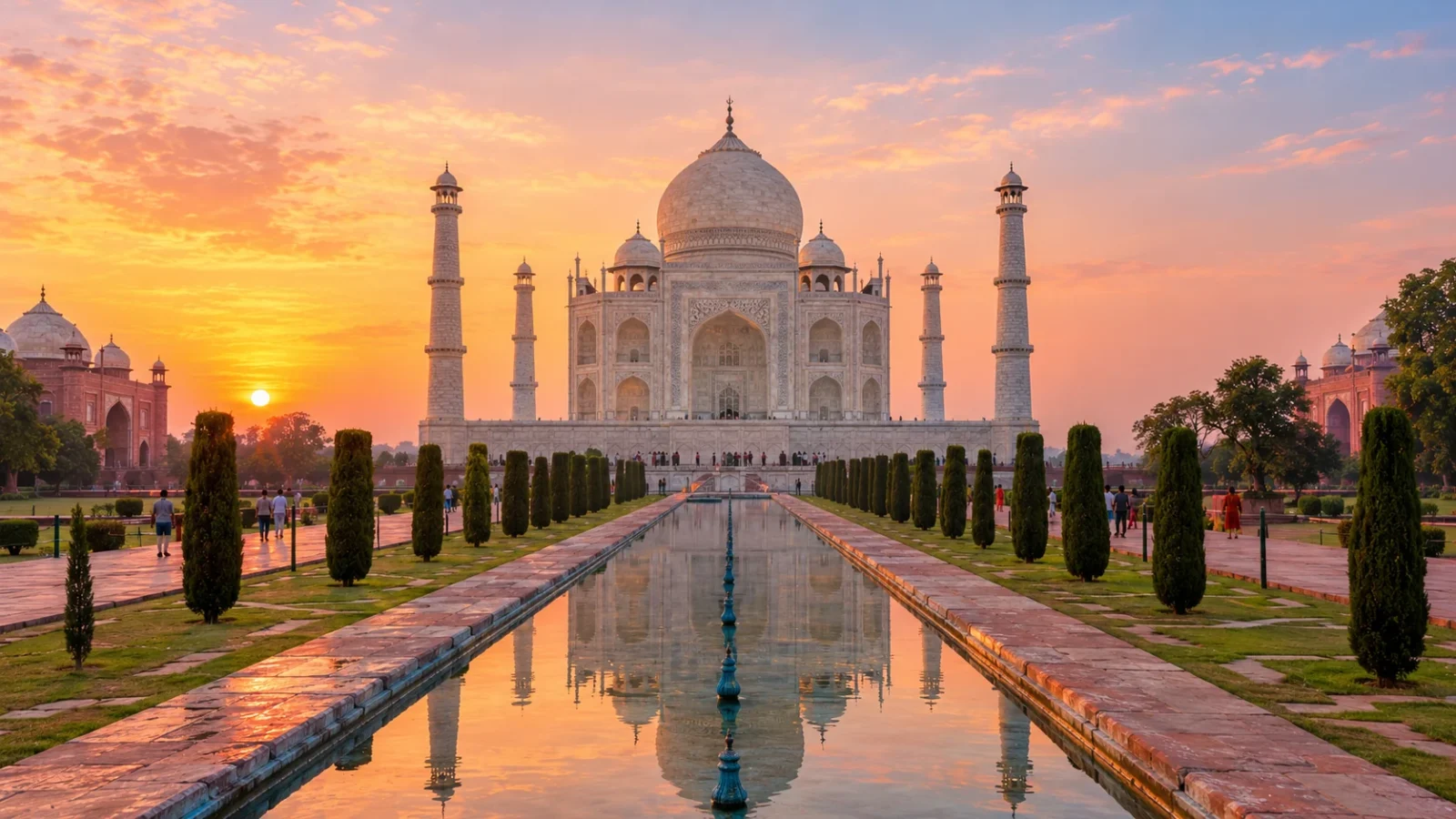
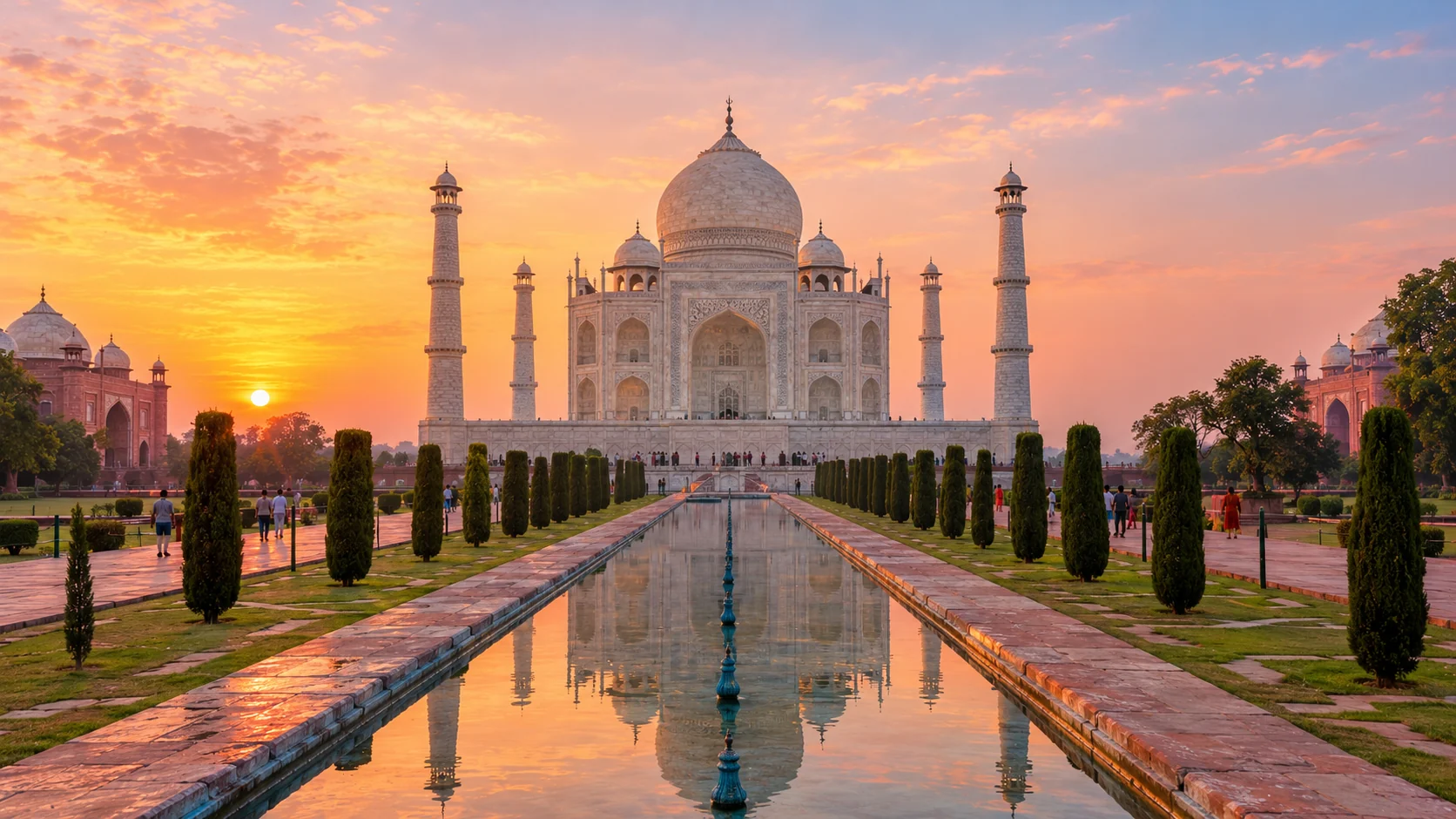
The Taj Mahal is open all year except Fridays. It opens 30 minutes before sunrise and closes 30 minutes before sunset, according to the official Taj Mahal website. The best months to see it are October to March, and the best time of day is sunrise, when the marble turns soft pink and the crowds are smallest.
Read our guide to the Delhi to Agra same-day trip, or book our Same-Day Taj Mahal Tour from Delhi.
Insider tip: on a foggy winter morning, do not give up on sunrise. The fog often lifts around 9 a.m., and the Taj appearing out of the mist is one of the most beautiful sights we know.
Ranthambore National Park is open for safaris from 1 October to 30 June. The core zones close from July to September for the monsoon. Safari seats are booked through the Rajasthan Forest Department and sell out early in winter. The best time depends on what matters more to you: comfort or tigers.
| Months | Comfort | Tiger sightings | Morning safari (approx.) |
|---|---|---|---|
| October – November | Very good | Good, forest still thick | 6:30 – 10:00 / 7:00 – 10:30 |
| December – February | Cold jeep rides at dawn | Good | 7:00 – 10:30 |
| March – June | Hot | Best, animals at waterholes | 6:00 – 9:30 |
| July – September | – | Core zones closed | – |
Safari times change slightly through the season; the park confirms them each year.
Insider tip: in December and January, bring gloves, a hat and a scarf for the morning safari. Open jeeps are freezing at 7 a.m., even when the afternoon is warm.

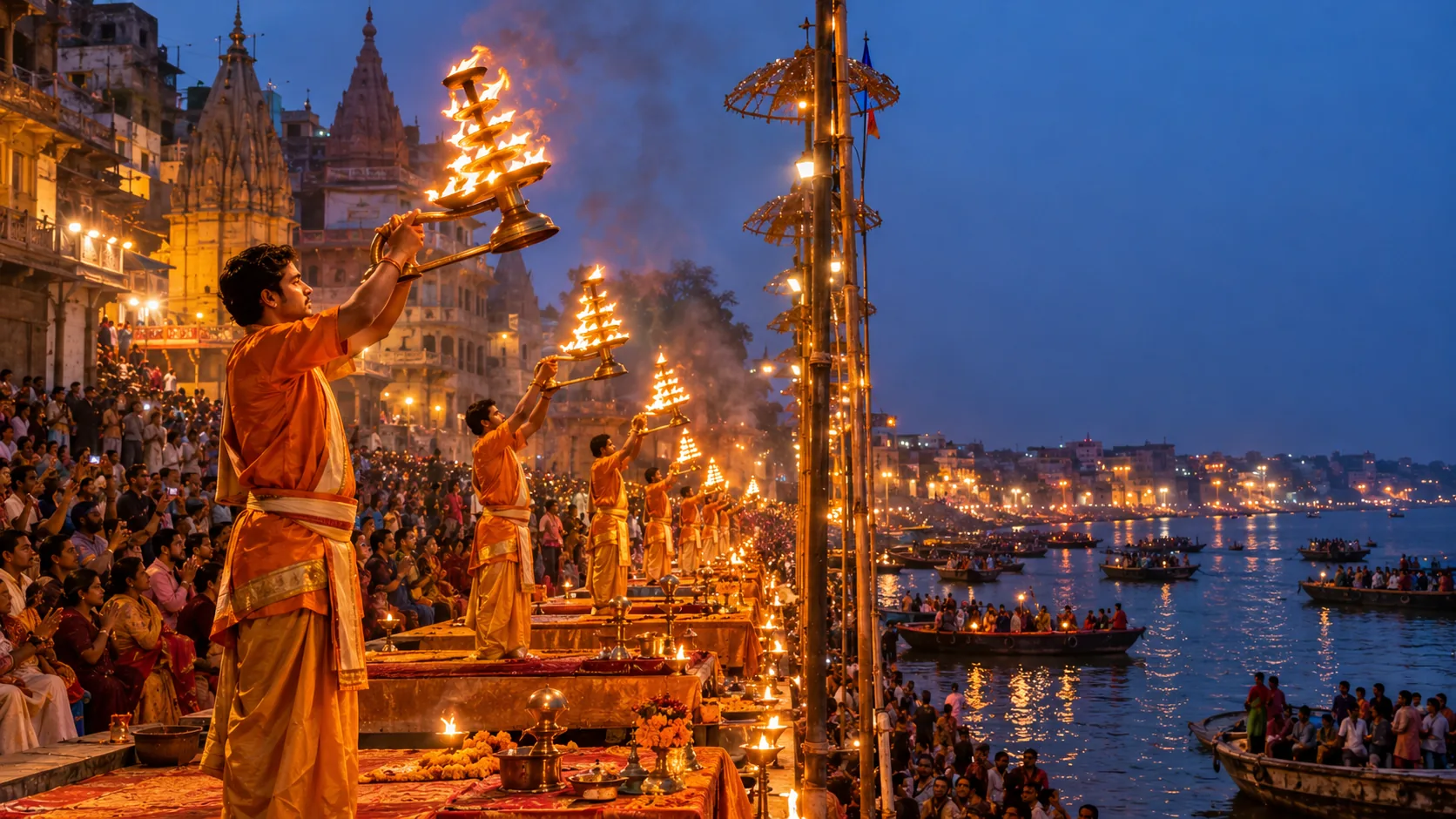
Varanasi, on the holy river Ganges, is best from October to March. Mornings on the river are cool and misty, the evening Ganga Aarti on the ghats is calm and powerful, and walking the old lanes is comfortable. The most magical night of the year is Dev Deepawali, when every ghat is lit with oil lamps. In 2027 it falls on 13 November.
Varanasi fits well at the end of a Golden Triangle, or on the road to Nepal. See Golden Triangle with Varanasi and our Varanasi to Kathmandu by road tour.
Insider tip: book Dev Deepawali very early. Boats and river-view hotels sell out months ahead, and the boat price that night is many times the normal price.
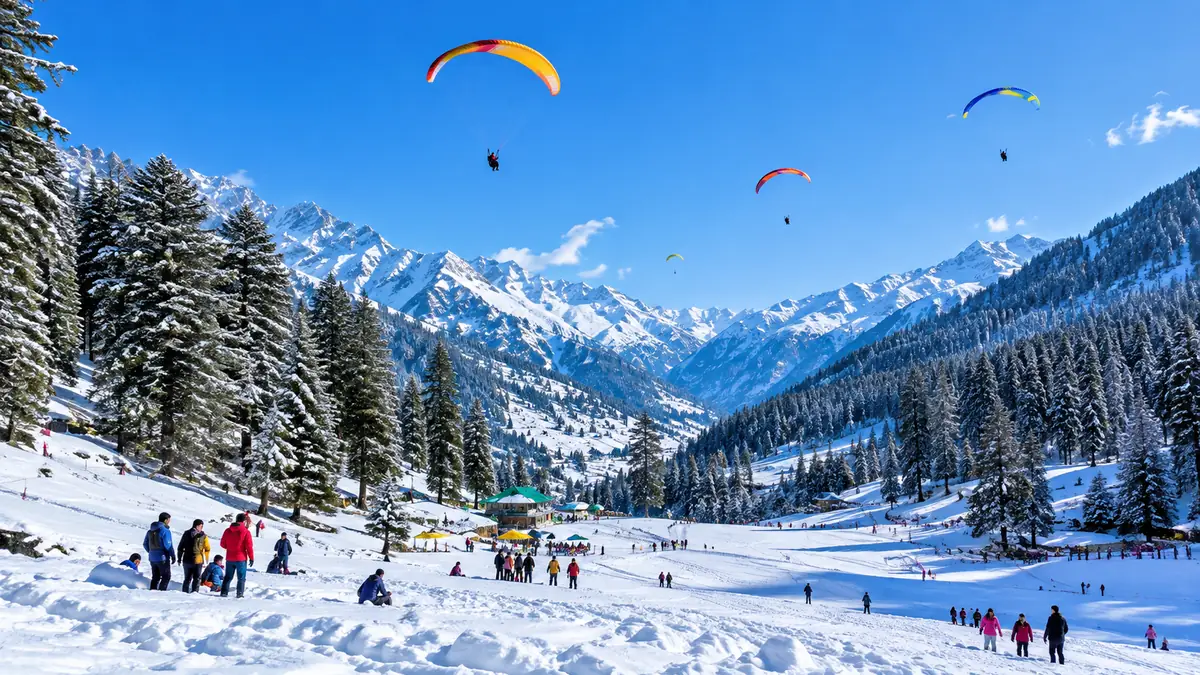
In the mountains, the calendar turns upside down. The best time for Shimla and Manali is March to June and September to November. Winter brings snow, which is beautiful, but high roads close and some days are lost to weather. The monsoon brings landslides.
| Place | Best months | Note |
|---|---|---|
| Shimla | Mar – Jun, Sep – Nov | Snow in Dec – Feb is lovely but roads can close |
| Manali | Apr – Jun, Sep – Oct | High passes open in summer only |
| Rishikesh and Haridwar | Sep – Nov, Feb – Apr | River rafting is closed in the monsoon |
| Amritsar | Oct – Mar | Very hot in May – June; foggy in January |
| Dharamshala | Mar – Jun, Sep – Nov | Very wet in July – August |
See our Amritsar guide and our Haridwar and Rishikesh guide, or the Haridwar, Rishikesh and Mussoorie tour.
Insider tip: Ladakh and Spiti are the famous “monsoon escapes”, dry when the rest of India is wet. We do not run those high-altitude routes ourselves, and we would rather tell you that than pretend.
Many of our guests travel India and Nepal in one trip, often with the same driver all the way. The months that suit both countries best are October to November and February to April. In Nepal, autumn (October–November) gives the clearest mountain views of the year, and spring (March–April) brings rhododendron flowers on the hills.
See our 14-day India and Nepal itinerary, the India–Nepal Grand Odyssey, our places to visit in Nepal and easy treks for beginners.
On the road route between India and Nepal you pass close to Lumbini, the birthplace of the Buddha. It is best from October to March, before the Terai plains get hot. If you want to break the journey there, our family has opened its own small guesthouse, Greenkunja Guesthouse near Butwal and Lumbini, in the rice fields of Tilottama, about 15 km from Gautam Buddha International Airport. One double room with a terrace is open now, with breakfast included, and you can book it directly with us on WhatsApp.
Insider tip: if you cross into Nepal by road, read our India e-Visa guide first, because the land border rules are different from airports.

This guide is mostly about the north, because that is where our family drives. But many people search for the best time to visit India as a whole country, so here is the honest short version for the rest of India. We do not run tours in the south ourselves, and we would rather say so.
The south is warm all year and never gets the cold winter nights of the north. Its best season is roughly November to March. Kerala and the west coast take the full force of the south-west monsoon from June to September, and Goa’s beach season runs from about November to March, when the beach shacks are open.
| Destination | Best months | Good to know |
|---|---|---|
| Delhi | Oct – Mar | Fog in Dec–Jan; poor air around Diwali |
| Agra (Taj Mahal) | Oct – Mar | Closed every Friday |
| Jaipur | Oct – Mar | Literature Festival in January |
| Jaisalmer | Nov – Feb | Desert Festival in February |
| Udaipur | Sep – Mar | Lakes full after the monsoon |
| Ranthambore | Oct – Jun | Best tiger sightings Mar – May |
| Varanasi | Oct – Mar | Dev Deepawali in November |
| Amritsar | Oct – Mar | Very hot May – June |
| Shimla and Manali | Mar – Jun, Sep – Nov | Snow and closed passes in winter |
| Ladakh | Jun – Sep | The classic monsoon escape |
| Darjeeling and Sikkim | Oct – Nov, Mar – May | Clearest mountain views in autumn |
| Goa | Nov – Mar | Many beach shacks close in the monsoon |
| Kerala | Oct – Mar | Heavy monsoon June – September |
| Lumbini and Butwal (Nepal) | Oct – Mar | Hot from April; stay at our family’s Greenkunja guesthouse |
| Kathmandu and Pokhara (Nepal) | Oct – Nov, Feb – Apr | Mountains hidden in cloud June – September |
Insider tip: if you want both history and a beach, do the Golden Triangle and Rajasthan first, then fly from Delhi or Jaipur to Goa for the last few days. The north is at its best in the same months that Goa is.
Festivals can make a trip, or they can make it harder if you are not ready for crowds, closed shops and full hotels. Here are the main dates for the 2026–27 season and 2027. Hindu festival dates follow the lunar calendar, so they change every year.
| Festival | Where | Date | What to expect |
|---|---|---|---|
| Diwali | All of India | 8 Nov 2026 · 29 Oct 2027 | Lamps, fireworks, family holiday; poor air in Delhi |
| Pushkar Camel Fair | Pushkar, Rajasthan | November, ending on the full moon (24 Nov 2026; 13 Nov 2027) | Camels, traders, pilgrims; hotels sell out |
| Dev Deepawali | Varanasi | 24 Nov 2026 · 13 Nov 2027 | Ghats lit with lamps; boats very expensive |
| Jaipur Literature Festival | Jaipur | 14 – 18 Jan 2027 | Writers and music; Jaipur hotels busy |
| Republic Day | Delhi | 26 Jan 2027 | Parade; central Delhi roads closed |
| Jaisalmer Desert Festival | Jaisalmer | 18 – 20 Feb 2027 (tentative) | Camel races, folk music, dunes |
| Holi | North India | 21 Mar (bonfire) · 22 Mar 2027 (colours) | Colours everywhere; quiet roads that morning |
Sources: Drik Panchang for festival dates; Jaipur Literature Festival; Rajasthan Tourism announces the final Pushkar and Desert Festival dates each year.
Insider tip: for the Pushkar Camel Fair, the best days for real camel trading are the first days of the fair, before the full-moon crowds arrive. Our Pushkar Camel Fair tour is planned around this.
India is not expensive at any time of year. If you want the best time to visit India on a budget, look at the shoulder weeks, because the season changes what you pay for hotels and how busy the big sights feel. The peak is late December to early January. The shoulder weeks (early October, late February to March, early April) give you good weather for less money.
| Season | When | Hotels | Crowds at the Taj and Amber Fort |
|---|---|---|---|
| Peak | 20 Dec – 5 Jan | Highest prices; book 3–6 months ahead | Very busy |
| High | Nov, mid-Jan – Feb | High | Busy |
| Shoulder | Oct, Mar, early Apr | Medium | Moderate |
| Low | May – Sep | Lowest; many good deals | Quiet |
Your car and driver are a smaller part of the cost than most people think. Read our honest guide to the real cost of a car and driver in India, and whether you also need a guide or only a driver.
Insider tip: if your dates are flexible, the first week of March is our favourite value week: warm, clear, Holi still ahead, and hotels already cheaper than in February.
Every trip with us is private, with your own car and English-speaking driver from the first day to the last. You choose the dates and we plan the route around the season, the festivals and the weather that week. Here are some popular routes for the 2026–27 season. All prices are for the whole car, not per person, and include fuel, tolls, state taxes, parking and the driver’s accommodation.
| Tour | Best months | Sedan | SUV | Tempo Traveller |
|---|---|---|---|---|
| Same-Day Taj Mahal Tour from Delhi | Oct – Mar | USD 113 | USD 154 | USD 202 |
| Golden Triangle Tour, 4 days | Oct – Mar | USD 356 | USD 488 | USD 640 |
| Golden Triangle Tour, 7 days | Oct – Mar | USD 623 | USD 854 | USD 1,120 |
| Golden Triangle with Ranthambore, 8 days | Oct – Jun | USD 712 | USD 976 | USD 1,280 |
| Golden Triangle, Khajuraho and Varanasi, 10 days | Oct – Mar | USD 890 | USD 1,220 | USD 1,600 |
| Rajasthan Grand Circuit, 12 days | Oct – Mar | USD 1,068 | USD 1,464 | USD 1,920 |
| Shimla and Manali, 8 days | Mar – Jun, Sep – Nov | USD 800 | USD 1,096 | USD 1,440 |
Please note: prices are for the 2026–27 season and may change in the future. The price in your written quote is the one that counts. Hotels, entrance tickets, safaris and meals are not included unless your quote says so.
Other routes worth a look: Jaipur, Jodhpur and Udaipur, 8 days, Jodhpur and Jaisalmer desert tour, the Pushkar Camel Fair tour, the Buddhist Circuit, and all our India tours, Nepal tours and India and Nepal tours.
Tell us roughly when you can travel, how many of you there are and what you would love to see. Our family will tell you honestly whether those dates are good for that route, suggest the best order, and send a free route and a fixed price for the whole car, usually within 24 hours.
Tailor-Made India & Nepal
Tell us what you love and we reply within 24 hours with a fixed price. A detailed day-by-day itinerary costs €100, deducted in full from your tour price.
Pick one or more destinations — you can mix India and Nepal freely.
This helps us match the right pace, stay and activities.
We reply within 24 hours. No spam, ever.
Before you book your flights, make sure you can answer yes to these:
The best time to visit India depends on where you are going and what you want from the trip. In short:
For North India, including Delhi, Agra, Jaipur and Rajasthan, the best time is October to March. The very best months are November, February and early March, when it is dry, sunny and comfortable without the worst winter fog or peak Christmas prices.
November and February are the two best single months for most travellers. Both have warm, sunny days, cool nights and clear skies. March is also excellent until about the middle of the month, and it includes Holi.
Yes, December is dry and pleasant by day, around 23°C in Delhi, and it is peak season. But nights are cold, dense fog can delay early mornings and trains in Delhi and Agra, and hotel prices are highest between Christmas and New Year, so book early.
For the plains of the north, May and June are the hardest months, with Delhi often at 40°C or more. July to September is the monsoon, which is humid and rainy, although it is quiet and cheap and still possible for short trips.
October to March is best for Delhi, Agra and Jaipur. Late October to November and February to mid-March are ideal. Remember that the Taj Mahal is closed every Friday, so plan your Agra day around it.
October to March is ideal for Jaipur, Jodhpur, Udaipur and Pushkar. For Jaisalmer and the Thar Desert, November to February is best, but desert nights can be very cold in December and January.
In 2027 the Holika Dahan bonfire night is on Sunday 21 March and the colour day of Holi is on Monday 22 March. It is celebrated across North India, especially in Mathura, Vrindavan, Jaipur and Pushkar.
Diwali falls on 8 November 2026 and on 29 October 2027. It is a wonderful time to see India lit with lamps, but air quality in Delhi is often poor in the days around it.
Not always. A monsoon day usually has one or two heavy showers, then sun, and the country is green, quiet and cheaper. But it is humid, national parks such as Ranthambore close their core zones, and mountain roads can be closed by landslides.
Ranthambore is open for safaris from 1 October to 30 June. March to June gives the best tiger sightings because animals gather at the remaining waterholes, while October to February is more comfortable.
March to June and September to November are best for Shimla and Manali. Winter brings snow and some road closures, and the monsoon months of July and August bring landslides.
October to November and late February to April suit both countries. Autumn gives Nepal its clearest mountain views, and spring brings rhododendron flowers. Avoid June to September, when Nepal’s mountains are hidden in cloud.
No. The Taj Mahal is closed every Friday. On other days it opens 30 minutes before sunrise and closes 30 minutes before sunset, and night viewing is offered on the full-moon night and two nights before and after it.
Yes, from about mid-December to mid-January dense fog often covers Delhi and the northern plains in the early morning, which can delay flights and trains. It usually lifts by late morning, and travelling by private car makes it much easier to adjust.
July to September, during the monsoon, is the cheapest time, with the lowest hotel prices and quiet monuments. For a good balance of low prices and good weather, choose the shoulder weeks: early October, March or early April.
May is usually the hottest month on the plains of North India, with Delhi often reaching 40°C or more in the afternoon. June is also very hot until the monsoon arrives at the end of the month.
The monsoon reaches Kerala in the south at the start of June and usually arrives in Delhi and Rajasthan in late June or early July. It pulls back from the north-west in the second half of September.
November to March is the best time for Goa and Kerala, with warm, dry weather and calm seas. Both get heavy rain in the south-west monsoon from June to September.
For a first trip, choose November or February and start with the Golden Triangle of Delhi, Agra and Jaipur. The weather is comfortable, everything is open, and you avoid the heat of May and the Christmas crowds.
There is no single best time to visit India for everyone, and no wrong time to fall in love with it, only times that need a little more planning. The heat, the fog and the festivals are all part of the country, and with the right route and the right hours, almost every month has something special.
Right place. Right month. Right time of day.
That is what our family has been getting right for our guests since 1996. Tell us when you are free, and we will tell you honestly what India will be like that week.
Golden Triangle tours · Rajasthan tours · India and Nepal tours · Get a free route and price